.avif)
In addition to the annual evaluations, the DIZ publishes an evaluation of the cannabis samples analyzed every six months.
Figures and average values
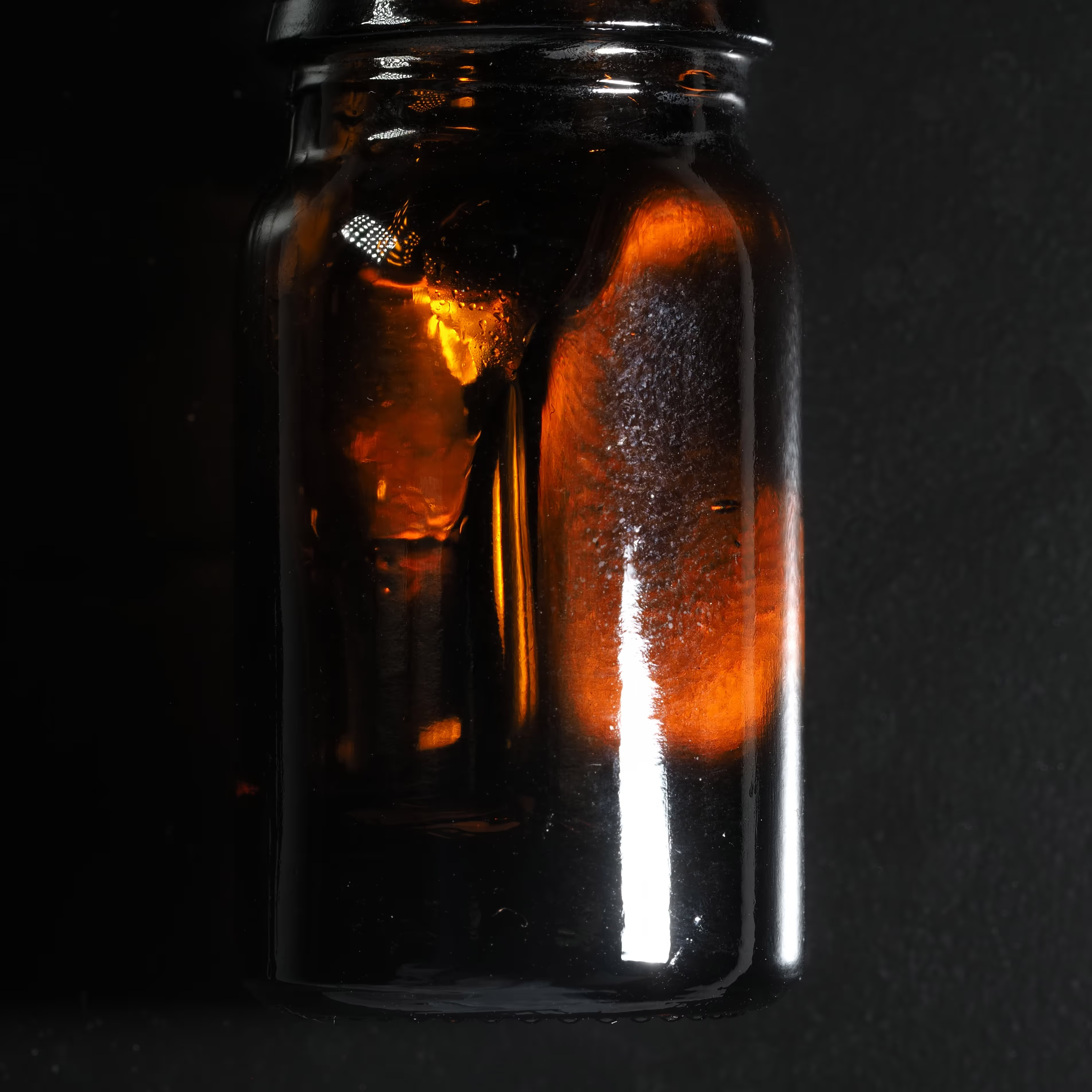
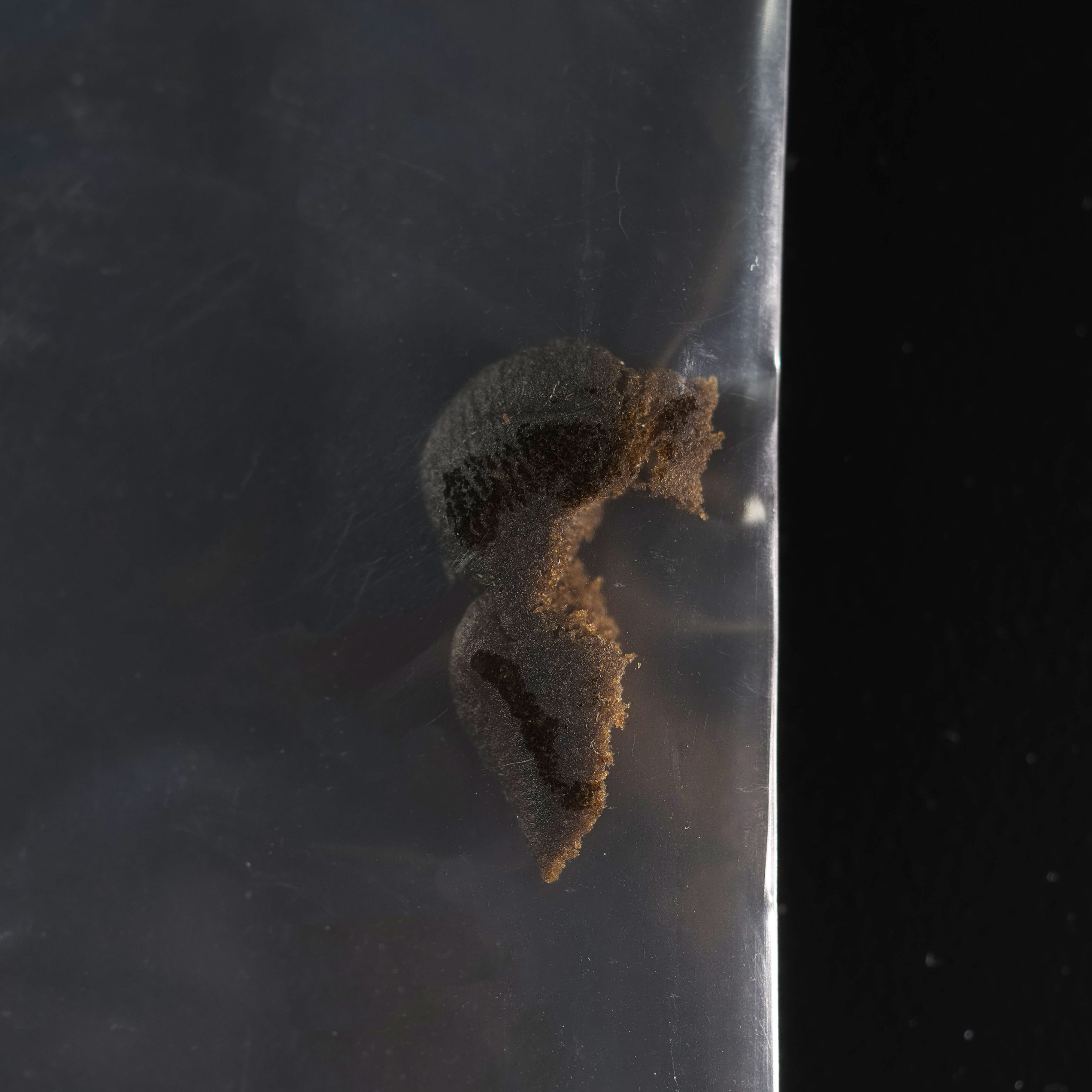
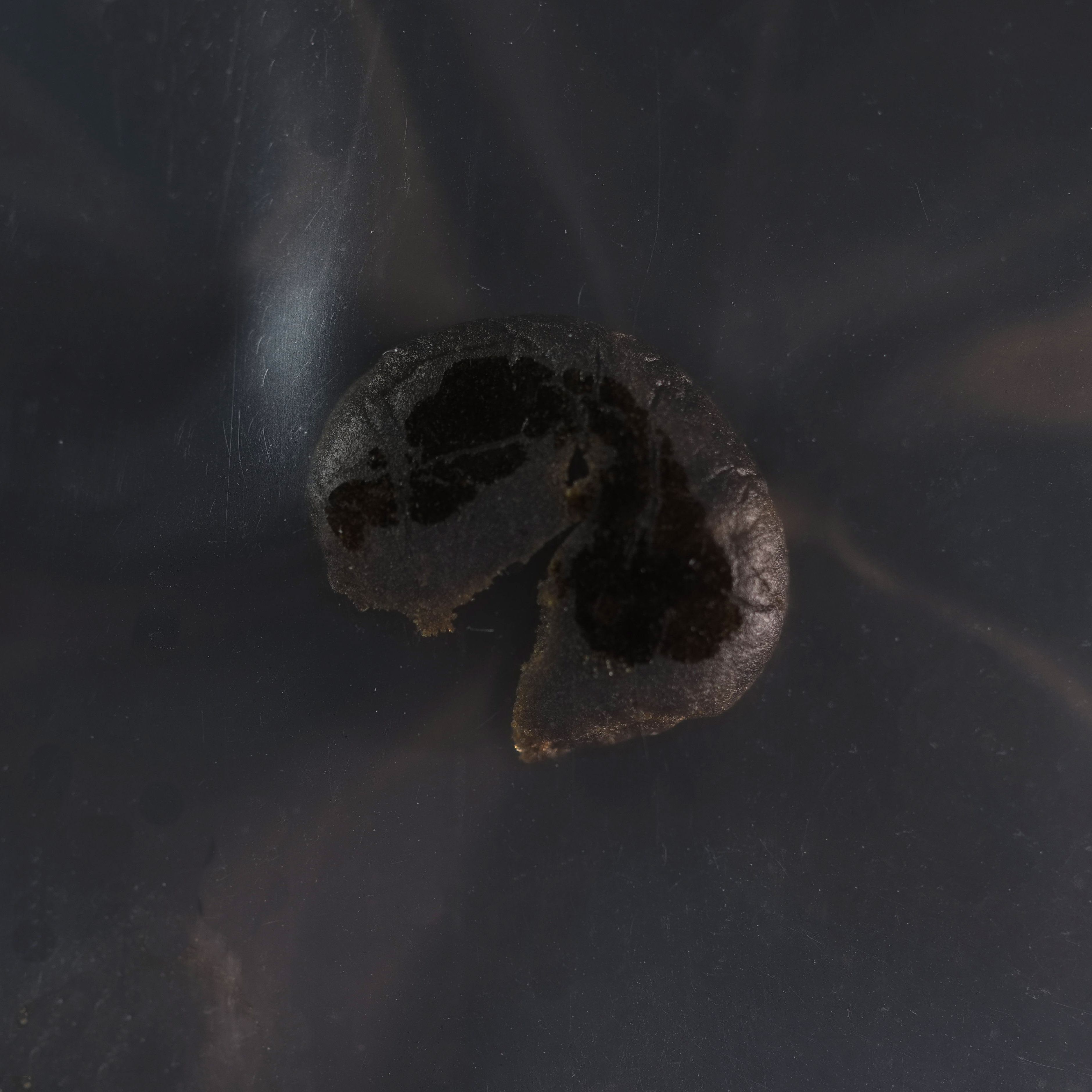
In the first half of 2024, a total of 201 cannabis samples were handed in for analysis at the Zurich Drug Information Center (DIZ). 125 samples were cannabis flowers. 62 samples were hashish, which represents a significant increase in the first half of 2024. In 2023, there were only 41 hashish samples in the first half of the year. A further 14 samples were other cannabis products such as oils, liquids, edibles (gummy bears, sweets, etc.) and dabs (cannabis concentrate).
In the following, the results from the first half of 2024 are compared with the figures from the previous years (2023 / 2022):
The flower samples in the first half of 2024 contained an average value of 13.6 % THC (13.6 % / 13.3 %). The average CBD content of cannabis flowers in the first half of 2024 was also almost the same as in the last two years at 0.8 % (1.4 % / 1.1 %).
The hashish samples contained an average value of 27 % THC (23.3 % / 24.4 %) in the first half of 2024. The average CBD content of the hashish samples was 2.6 % (4.1% / 1.2 %). In the first half of 2024, the hashish sample with the maximum active substance content of 54.8 % THC was higher than in previous years (47 % / 49.9 %).
Other ingredients
Of the 201 cannabis samples in the first half of 2024, 17 contained unexpected ingredients. This represents a decrease of almost 50 % compared to the first half of 2023.
Synthetic cannabinoids
Unfortunately, in 2023, the number of samples containing synthetic cannabinoids increased again. However, of the total of 192 samples submitted in the first half of 2023, only two samples (1 %) were affected. Only in the second half of 2023 were there 17 samples (8 %). Due to the few cases of synthetic cannabinoids in the first half of 2023, the average over the whole of 2023 is 4.7 % of samples tested positive for synthetic cannabinoids. In the first half of 2024, 9 samples (4.5 %) were spiked with synthetic cannabinoids, which corresponds approximately to the annual average for 2023.
Semi-synthetic cannabinoids
In contrast to synthetic cannabinoids, semi-synthetic cannabinoids can be obtained from natural cannabinoids by chemical processes and tend to have a lower risk potential than synthetic cannabinoids.
The first half of 2024 shows a declining occurrence of semi-synthetic cannabinoids such as delta-8-THC or HHC. Delta-8-THC was detected in 6 samples in the first half of 2024. This value was significantly higher in the two half-year periods of 2023 with 14 samples and 15 samples respectively. HHC was not detected in any samples in 2024.
Further information about Delta-8-THC and HHC on our website.
Still up to date:
ZüriCAN pilot project
The City of Zurich and the University of Zurich have developed the study "Züri Can - Cannabis with responsibility" on the basis of the legal requirements that have been created. The study examines the effects of obtaining selected cannabis under regulated conditions on the consumption and health of participants. It also compares different models for the regulated supply of cannabis. DIZ Zurich has been one of the sales outlets since August 2023. In addition to us, 10 pharmacies and 10 cannabis social clubs complete the offer.
For more information and a detailed description of the study, please click here. All places at the DIZ are taken, but the Cannabis Social Clubs are still happy to welcome study participants.