.png)
In Europe, pills purchased by users as MDMA pills (Ecstasy, XTC) have been tested in several countries over the past few weeks and found to contain the substance PMMA (paramethoxymethamphetamine, 4-MMA) instead of or in addition to MDMA. The Zurich Drug Information Center (DIZ, saferparty.ch) and other Swiss drug testing services have also recently detected PMMA in pills submitted for testing. In the Netherlands, the Trimbos Institute issued a highest-level warning in late August 2026 after life-threateningly high doses of PMMA were found in several pills.
Such test results are unusual for the Swiss and European markets: as European statistics show, pills purchased as MDMA almost always contain MDMA in varying doses. As our annual analysis in Zurich also shows, hardly any other psychoactive substances have been found in MDMA pills for over ten years. When other substances are present, they are often inexpensive substitutes such as caffeine or amphetamine, which mimic the effects of MDMA and maximize profits for the manufacturer. PMMA, on the other hand, is a substance that can hardly be described as particularly “inexpensive” (PMMA must be produced through its own complex synthesis), nor is the high it produces specifically sought after by users (PMMA has a rather subtle effect). Furthermore, PMMA is not legal. In the case of other atypical substances, a lack of regulation is often the reason for their appearance on the market. Furthermore, the desired substance, MDMA, is inexpensive and readily available on the illicit market in Europe. It remains unclear why this substance is currently being detected more frequently.
PMMA was last detected on a large scale on the illicit market in Europe over ten years ago. At that time, several PMMA outbreaks in Norway, Canada, Israel, and the United Kingdom led to an unusually high number of deaths. In Norway, twelve deaths and 22 cases of severe poisoning were documented within half a year; in Alberta and British Columbia, a total of 27 deaths were recorded between 2011 and 2012. Since then, PMMA has largely disappeared from the European market and has only appeared sporadically. However, the deaths linked to PMMA are not exclusively attributable to PMMA; in some cases, other substances were involved in poly-drug use. Nevertheless, many of the cases demonstrate that PMMA is a much more dangerous substance than MDMA, especially when users are unaware that their pills contain PMMA rather than MDMA.
Why PMMA Is More Dangerous Than MDMA
Like MDMA and amphetamine, PMMA belongs to the amphetamine class; however, it has not been well studied and differs from MDMA in several ways. The dopaminergic effect—which in MDMA is responsible for physical drive and part of the euphoric effect—is only weakly pronounced in PMMA. As a result, the desired effects are minimal, while the physical strain is felt to the fullest extent. Reports from people who have intentionally used PMMA describe it as nearly impossible to achieve a pleasant effect without simultaneously experiencing significant adverse effects. In other words, PMMA places a heavy strain on the body, while the intoxicating effect may be barely noticeable.
There is another difference: Like its related substance, PMA, PMMA is believed to inhibit an enzyme that breaks down serotonin. Thus, when consumed, the body releases serotonin but is simultaneously less able to break it down. This combination increases the likelihood of serotonin syndrome accompanied by severe overheating. In the Canadian analysis of PMMA-related deaths, 16 out of 17 people who died in the hospital exhibited serotonin syndrome; some had body temperatures measured at over 43 degrees. This means that PMMA puts a strain on the body even when there is hardly any noticeable intoxicating effect. The body can overheat even while the perceived “high” fails to materialize.
The third—and presumably riskiest—factor, however, is time: the effects of PMMA begin much later after consumption than those of MDMA. While MDMA becomes noticeable after about 30 to 60 minutes, PMMA users report that it takes 1 to 2.5 hours for the effects to kick in. This means that users consider the pill to be too weak and take another dose before the PMMA has even begun to take effect. Many of the documented cases of poisoning follow this pattern.
This risk is exacerbated by a very narrow dose window: with PMMA, the effective dose and the dangerous dose are much closer together than with MDMA. In addition, PMMA is metabolized by a liver enzyme whose activity varies greatly from person to person. It is therefore likely that the same pill or the same dose of PMMA will have a different intensity and duration of effect in two different people. This, along with the lack of scientific information on PMMA, is also the reason why our substance information pages—as well as other literature—do not specify recommended doses for PMMA, since dosages of PMMA can apparently have very different effects.
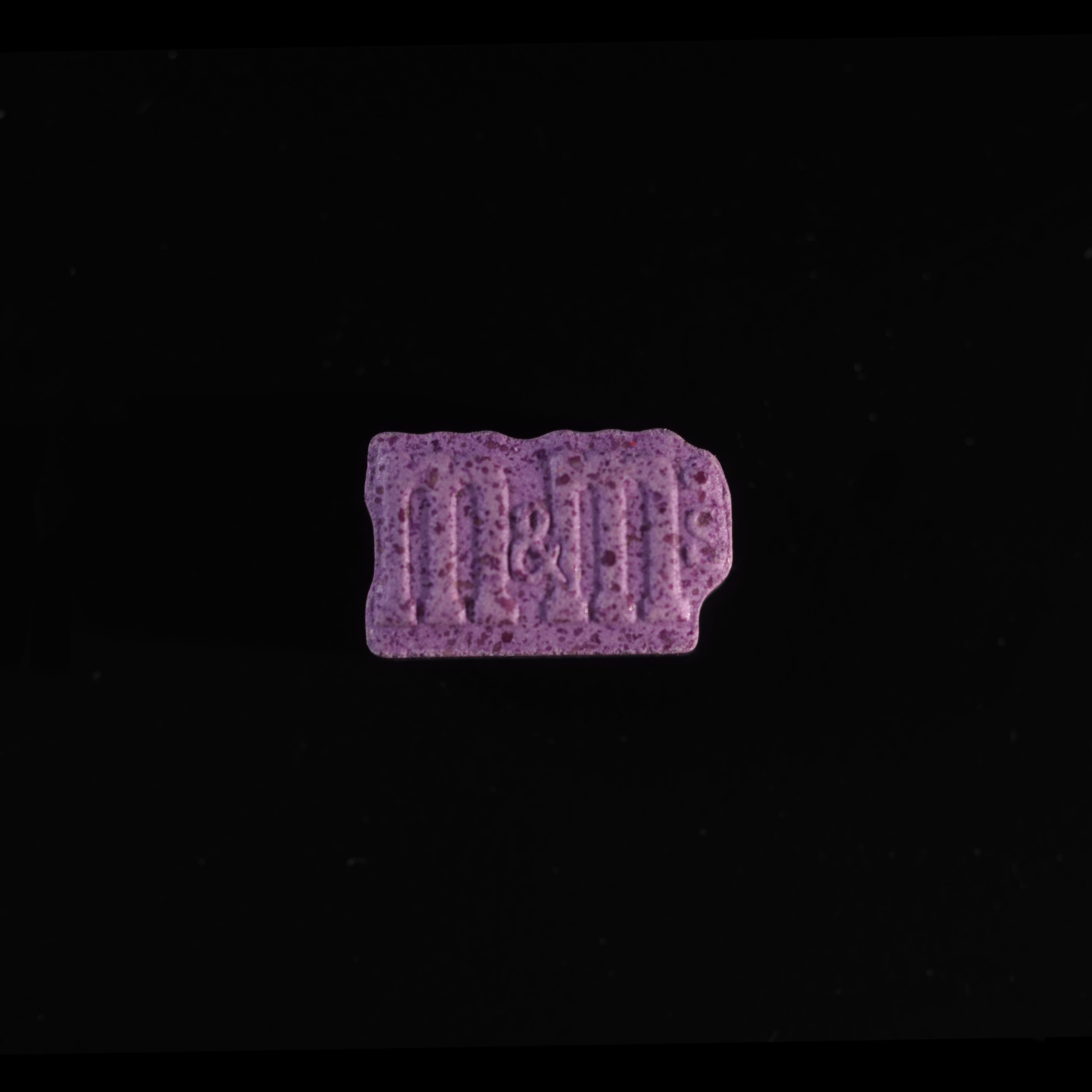
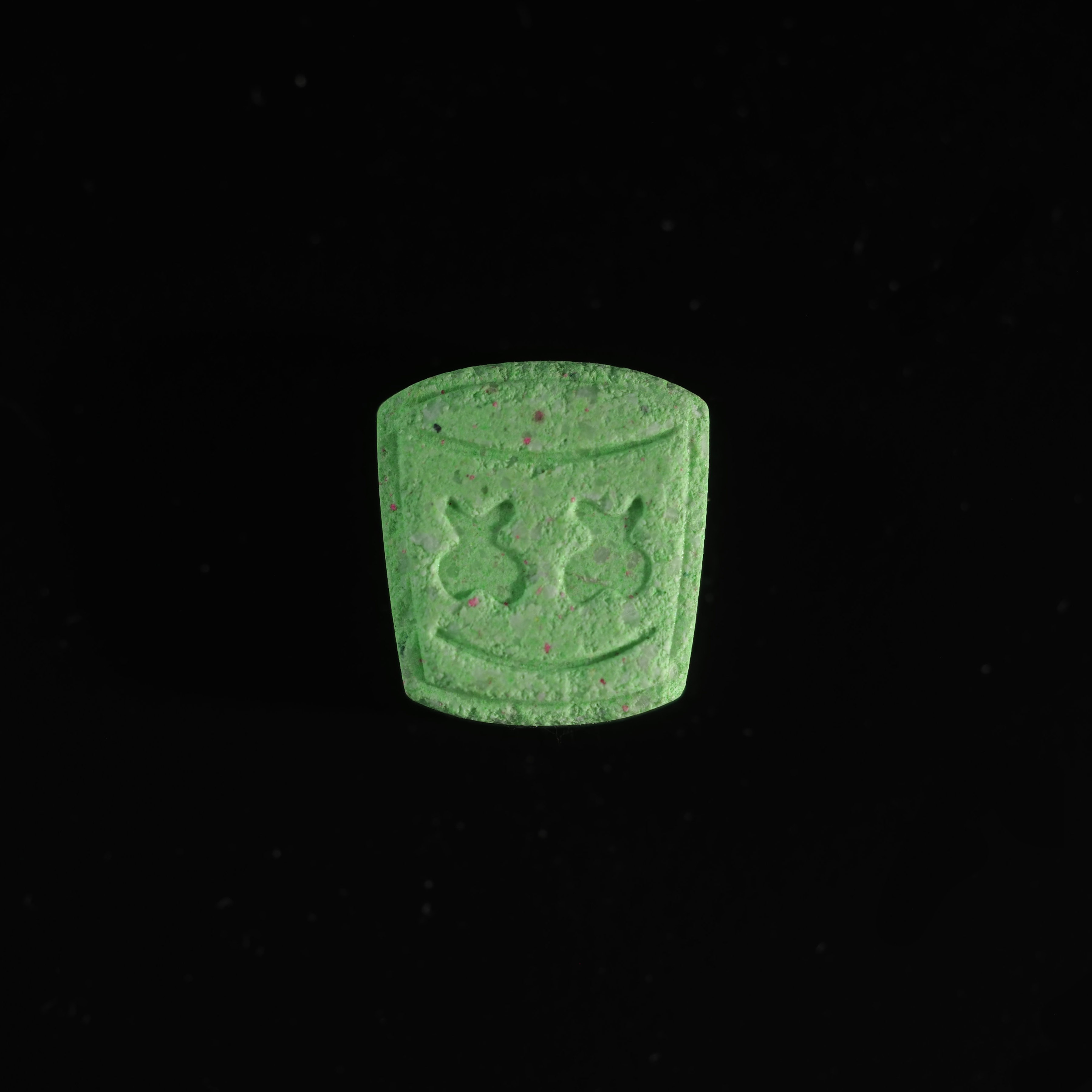
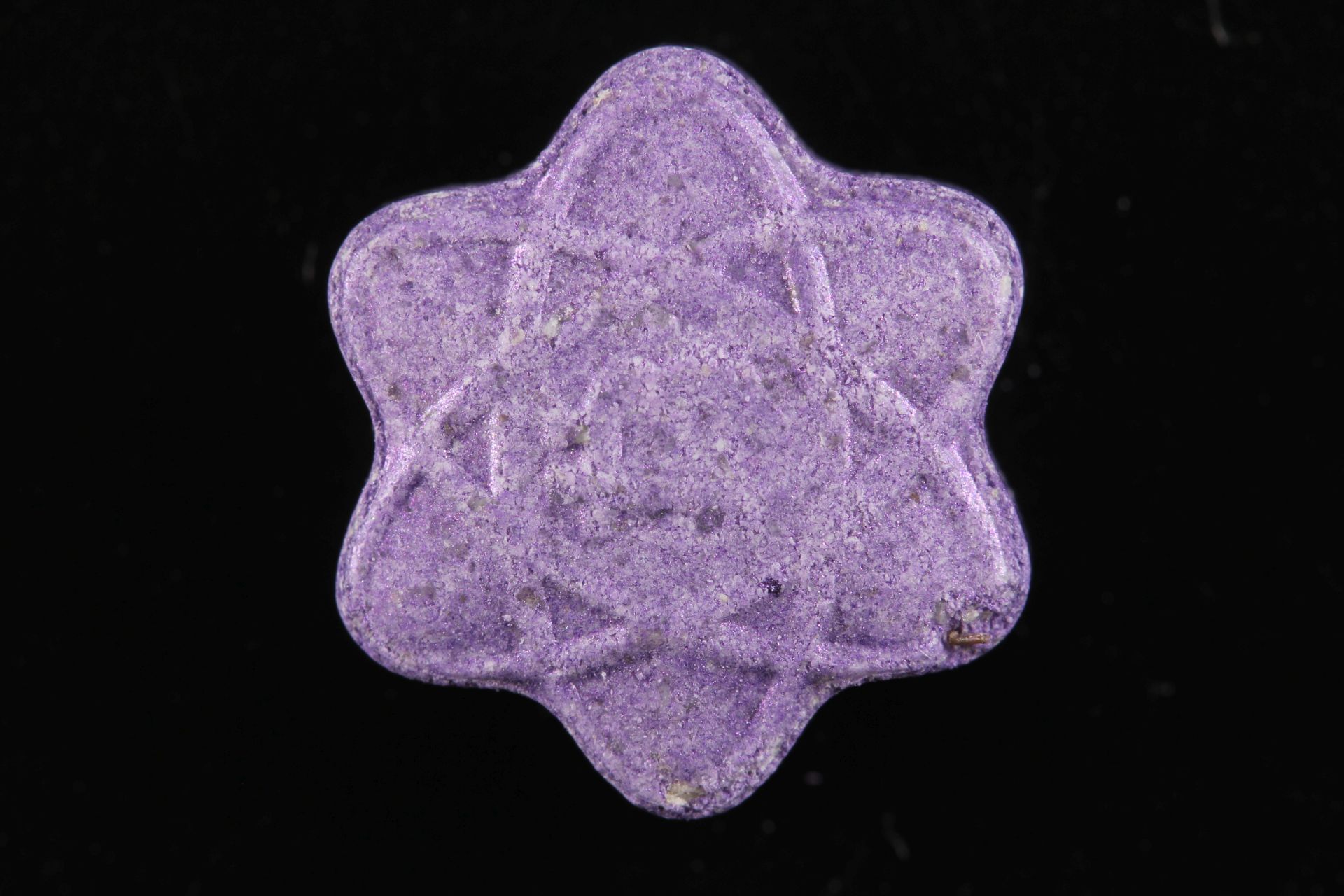
PMMA cannot be identified by its appearance. The logo, color, and shape of the pill reveal nothing about its contents, and pills that look identical may have different compositions. Reagent tests (color tests) are also of limited help. PMMA does not change color in the Marquis test. If a sample contains only PMMA, this is noticeable. However, as soon as MDMA is present in the same pill, its strong reaction completely masks the PMMA. A negative result for MDMA is therefore not conclusive. Only a laboratory analysis as part of a drug-checking service can provide certainty.
What can I do?
A PMMA overdose is treatable but requires medical attention as soon as possible. In the case of an MDMA overdose, psychological and physical effects are usually severe at the same time: an intense high, clenched jaw, rapid heartbeat, sweating, high energy levels, and circulatory problems. In the case of a PMMA overdose, the perceived euphoria or psychological effect (high) tends to be mild, while the body exhibits significant side effects. Symptoms may include heavy sweating accompanied by a rising body temperature, a very rapid pulse, muscle stiffness, tremors or twitching in the arms and legs, uncontrolled eye movements, nausea and vomiting, pronounced inner restlessness, and increasing confusion.
The most serious warning signs include a very high body temperature with a hot skin surface, confusion or unresponsiveness, a seizure, stiff or uncontrolled muscle twitching, chest pain, shortness of breath, and loss of consciousness. If you notice any of these signs, call 144 immediately—do not wait.
Until emergency services arrive, one thing is most important: lower the body temperature. Ask friends for help, or contact security staff or the bar. Move yourself or the affected person to a cool, quiet place and stop all physical activity. Loosen tight clothing, wet the skin, neck, and forearms with cool water, and ensure there’s a breeze. Cool cloths placed on the neck, armpits, and groin can also help. If the person is awake and responsive, they can drink water in small sips, but not in large quantities. No further consumption of substances or medications. Do not restrain an agitated person, as restraint further raises body temperature. Stay with the person and do not leave them alone. Tell emergency services exactly what was consumed.
Safer Use in Cases of Suspected PMMA