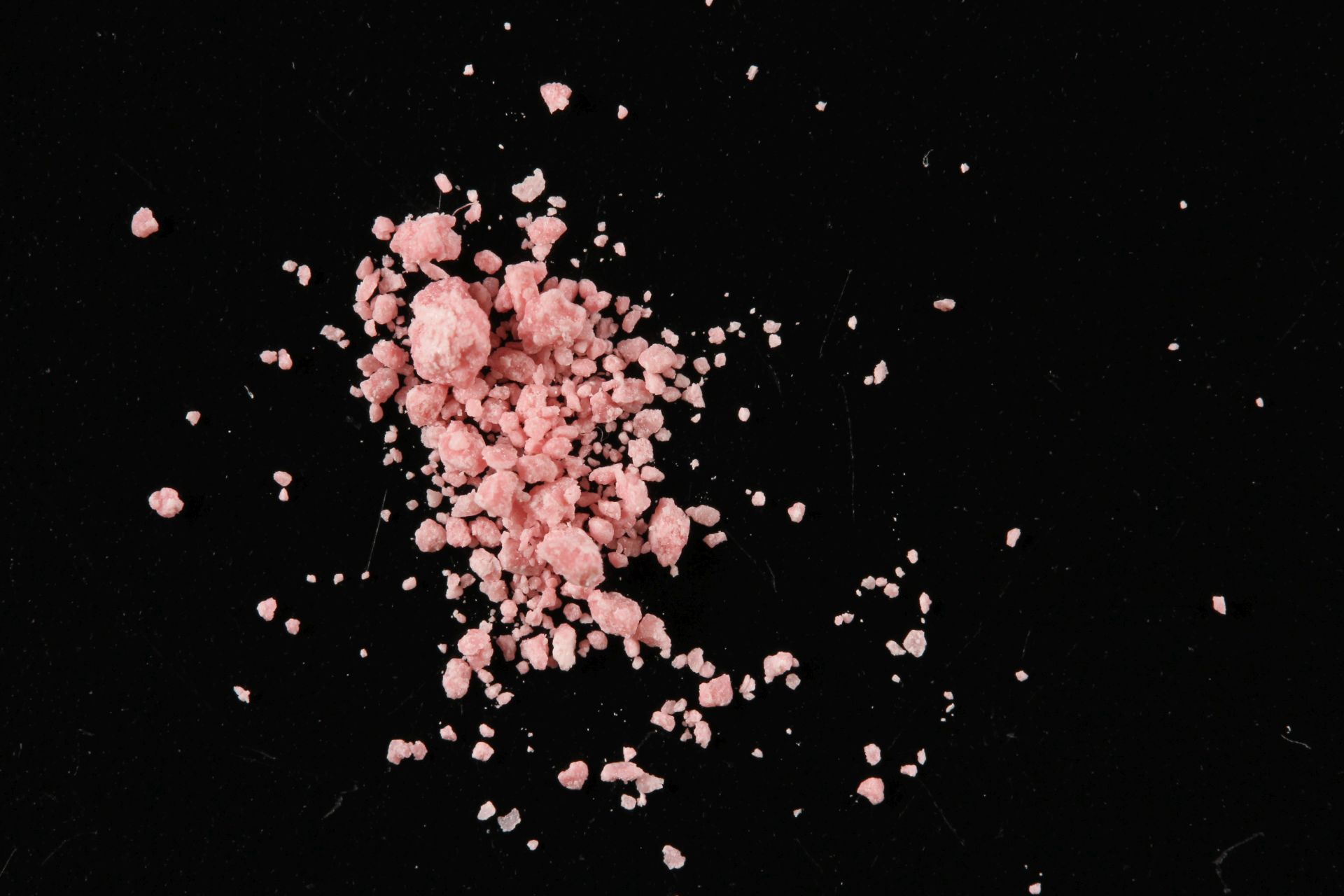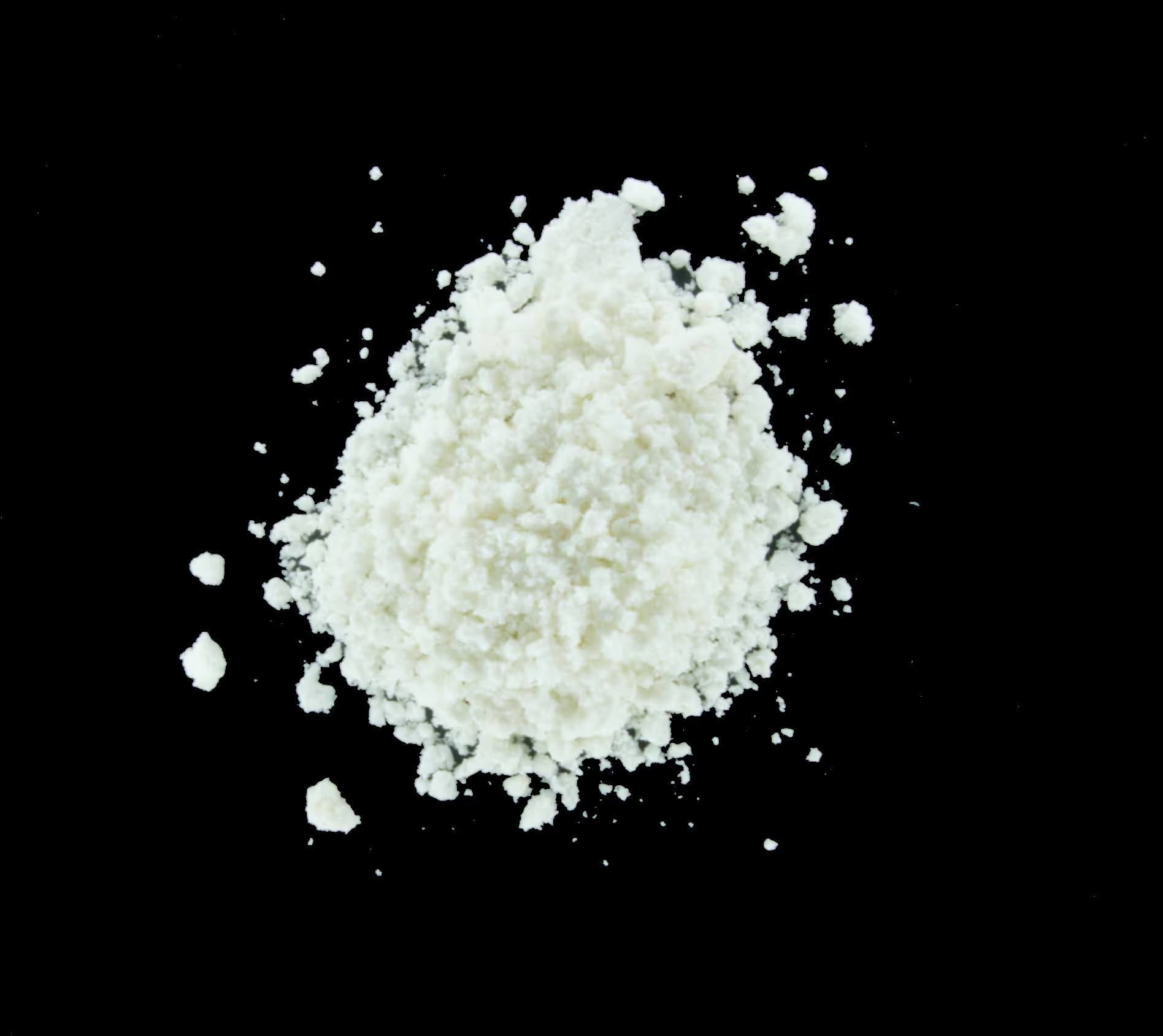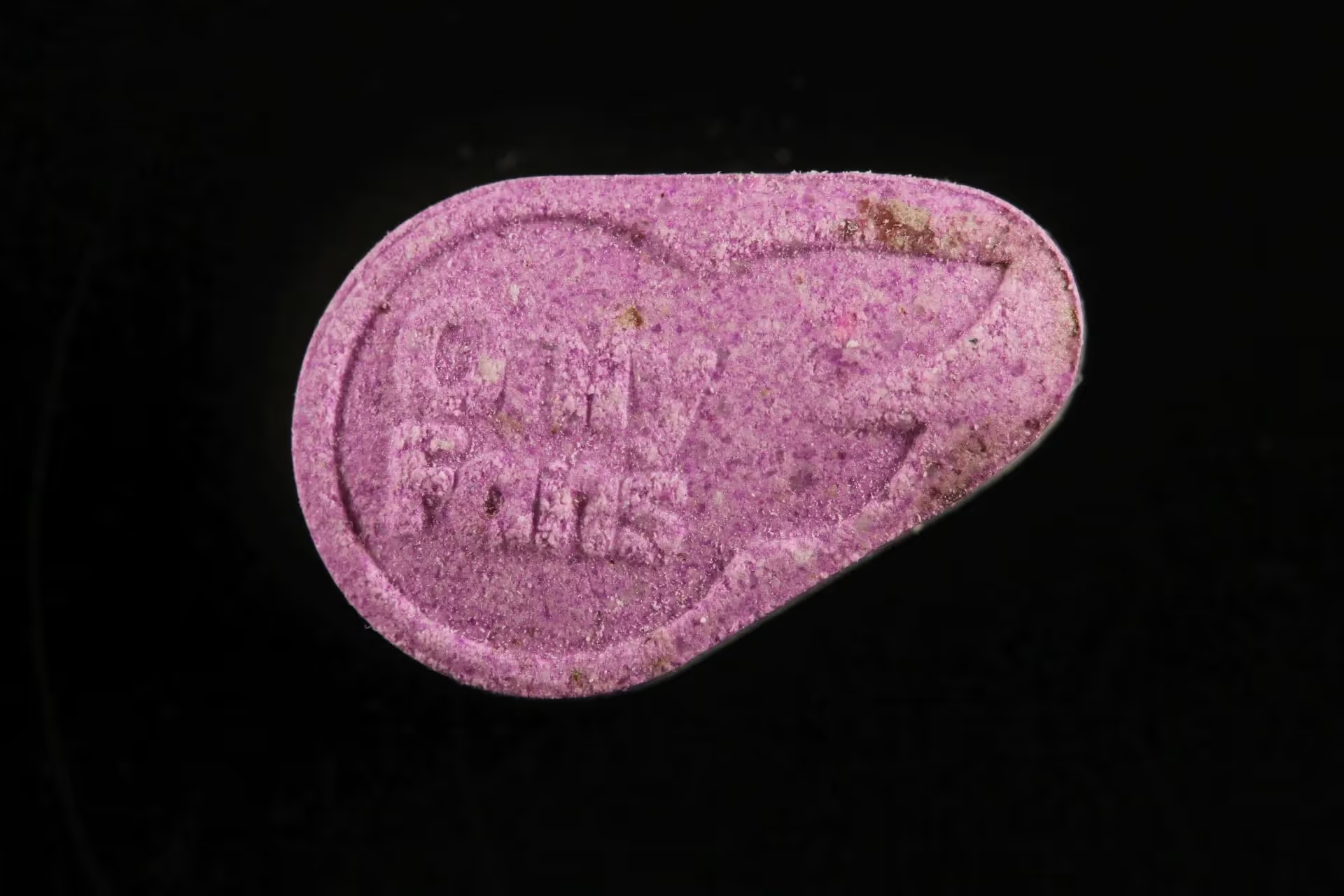
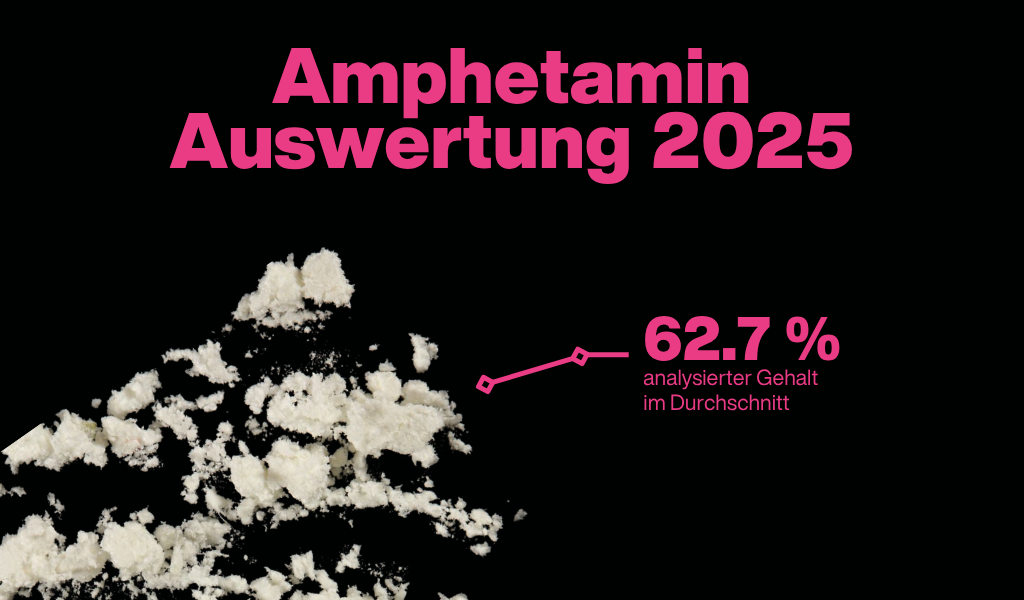
In 2025, a total of 340 samples identified as amphetamine were submitted for analysis at the Drug Information Center (DIZ) in Zurich and at ten mobile drug testing sites. Of these samples, 306 were submitted through the outpatient drug testing program and 34 through the mobile drug testing program.
The detailed 2025 amphetamine analysis can be found in the attached report.
–The amphetamine content of the samples submitted to the DIZ has remained relatively stable since 2018, ranging from 58% to around 68%. Following the record high of the previous year (67.9%), there was a slight decline in 2025, with the average active ingredient content standing at 62.7%.
– Furthermore, a significant proportion of the samples (around 45%) contain very high levels of the active ingredient, ranging from over 80% to 100%, although this proportion has decreased slightly compared to the previous year. At the same time, the proportion of samples containing less than 40% amphetamine—around 30%—has increased. Particularly noteworthy is the increase in samples with less than 20% active ingredient content, the proportion of which has doubled compared to the previous year. The wide range of active ingredient levels indicates that the quality of the substances can still vary significantly.
– Caffeine and synthetic impurities remain among the most frequently detected substances in amphetamine samples. It is important to note that many amphetamine users are accustomed to the rapid and potent effects of caffeine and often describe a sample cut with caffeine as “very strong” during counseling prior to analysis. This creates a risk that users may overdose when consuming pure amphetamine due to the more subtle and delayed effects of these samples. Caffeine was slightly more prevalent in 2025, found in 48.2% of samples.
– A positive trend is evident in the area of synthetic contaminants. In 2025, these were detected in 16.8% of samples—the lowest level in the past ten years. This could indicate improvements in manufacturing processes. At the same time, it is important to note that even a small number of synthetic contaminants can have significant health effects. It is also notable that the number of contaminants per sample has decreased. In particular, samples containing more than three different contaminants were significantly less common.
– The proportion of samples containing up to two synthetic impurities remained largely stable compared to the previous year. The widespread assumption that paste-form amphetamine is of particularly high quality continues to be unfounded.
– The number of samples containing 2-PEA declined significantly in 2025. Compared to the previous year, this number dropped from ten samples to one.
– The number of misdeclarations rose again in 2025. Among other things, a sample (white powder) sold as amphetamine was identified as heroin. Such cases demonstrate that drug-checking analysis of the substances—where possible—is advisable. If drug checking is not available, cautiously testing a small amount can help reduce the risk of unforeseen effects.
For moreinformation on amphetamine, please visit our website here.
The results published here are not representative of the substance market in the city of Zurich.