Extender content decreased significantly in the fourth quarter of 2024, cocaine content remains stably high

The DIZ publishes quarterly evaluations of cocaine samples tested at the DIZ and at mobile outreach sites. This is to supplement the annual evaluations and to raise awareness of the specific risks associated with cocaine use. The results published here are not representative of the entire substance market in the city of Zurich.

Cocaine is a substance with a comparatively high potential for harm and dependence. In addition to the known risks, the frequent occurrence of pharmacologically active extenders poses an additional health risk that is difficult to assess, especially for regular users. These are rarely acute side effects, but primarily long-term effects. The evaluation shows that even samples with high cocaine content frequently contained pharmacologically active extenders. In addition, the highly fluctuating cocaine content represents an often underestimated consumption risk. The higher the cocaine content, the greater the risk of overdose. High-dose cocaine can also place a heavy burden on the cardiovascular system and, under certain circumstances and physical conditions, trigger a heart attack or stroke. Information and recommendations for low-risk consumption can be found here.

In the fourth quarter of 2024 (October to December), 436 samples declared as cocaine were handed in for analysis at the Drug Information Center (DIZ) and at three mobile drug checkings in Zurich. In this quarter, the average cocaine content of the samples analyzed was 84.3 %. Compared to the previous quarter of 2024, the average content rose again slightly. The cocaine content of the samples analyzed varied greatly, ranging from 6.3 % to 100 %.

In the fourth quarter of 2024, 32.8 % of the cocaine samples analyzed were laced with at least one pharmacologically active substance. This represents a sharp decline in samples mixed with pharmacologically active extenders that were handed in to drug checking services in Zurich in Q4.
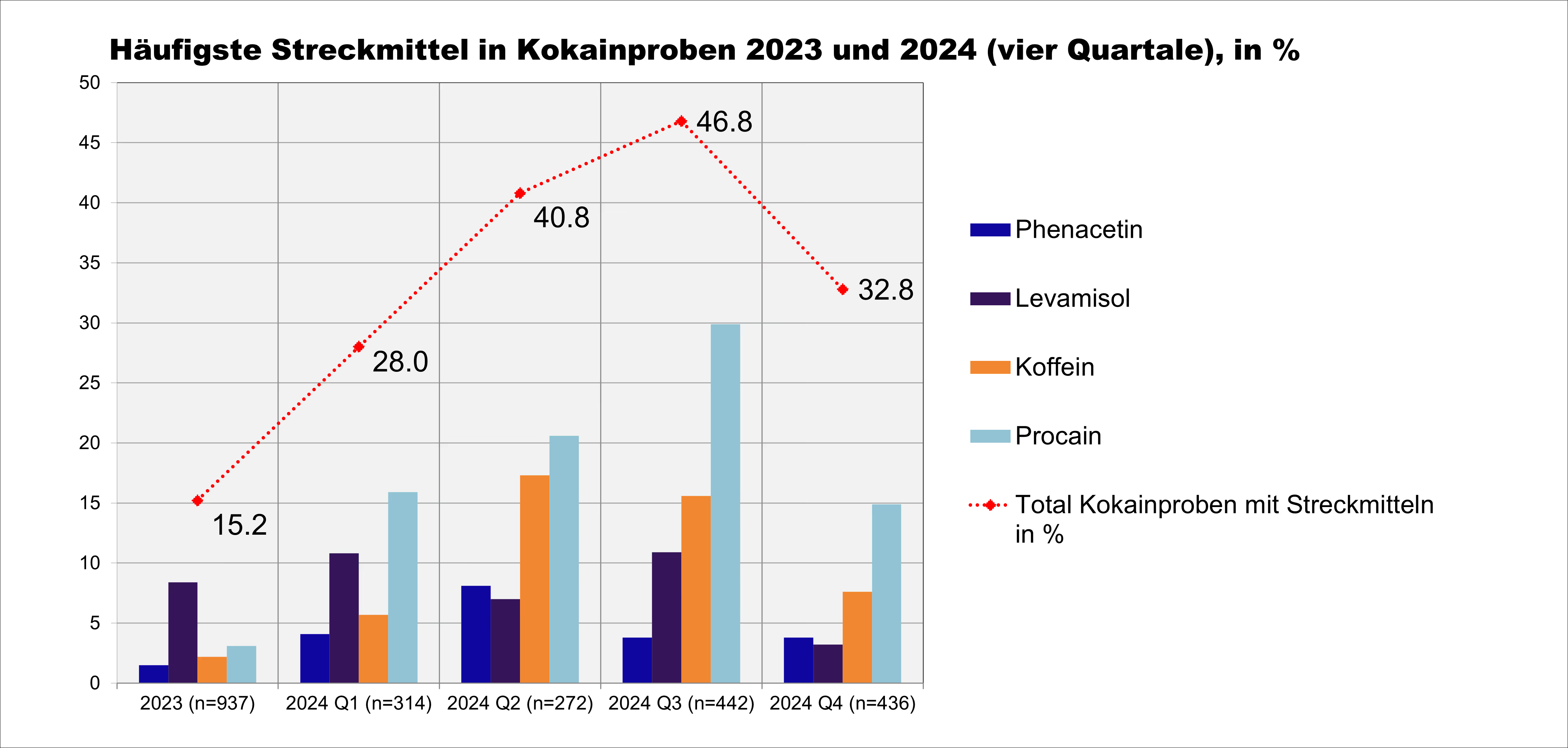
  • In the fourth quarter of 2024, 65 of the 436 cocaine samples contained the local anaesthetic procainewhich was used as an extender in cocaine samples with above-average frequency in 2024. In the second quarter, 20.6% of all cocaine samples contained procaine, in the third quarter of 2024 29.9% and in the fourth quarter of 2024 14.9% of samples still contained procaine. On average, 15.9% procaine was contained in the samples in Q4 2024 - however, some of the samples contained a very high proportion of up to 94.4% procaine.

    Procaine is a local anaesthetic agent from the group of local anaesthetics used in medicine. In addition to side effects in the central nervous system (e.g. restlessness, seizures, coma), in rare cases high doses of procaine can also cause cardiac arrhythmia, a drop in blood pressure and allergic reactions. The intravenous consumption of cocaine mixed with procaine is particularly risky.
  • The proportion of with caffeine cocaine samples decreased again in the fourth quarter of 2024 compared to the other quarters. In the second quarter, 17.3% of all cocaine samples contained caffeine, in the third quarter 15.6% and in the fourth quarter of 2024 still 7.6%. If a sample contained caffeine, this accounted for an average of 9.4% of the sample content.
  • The proportion of cocaine samples spiked with levamisole also decreased again in the fourth quarter of 2024. Levamisole was detected in 14 samples declared as cocaine (3.2% of samples); however, a slight increase was observed in cocaine samples with phenacetin. In the third quarter of 2024, 3.8% of the cocaine samples contained phenacetin, in the fourth quarter of 2024 4.8%. On average, the samples contained 25.4% procaine.
  • One sample declared as cocaine in Q4 contained only ketamine, another sample contained only the painkiller paracetamol.

Detailed information on cocaine extenders as well as SaferUse tips can be found on our website.


27

May

DIZ specialist event

Lecture

May 27, 2025

Download

No items found.

Article from

Mentioned substances

Matching warnings

This might also interest you