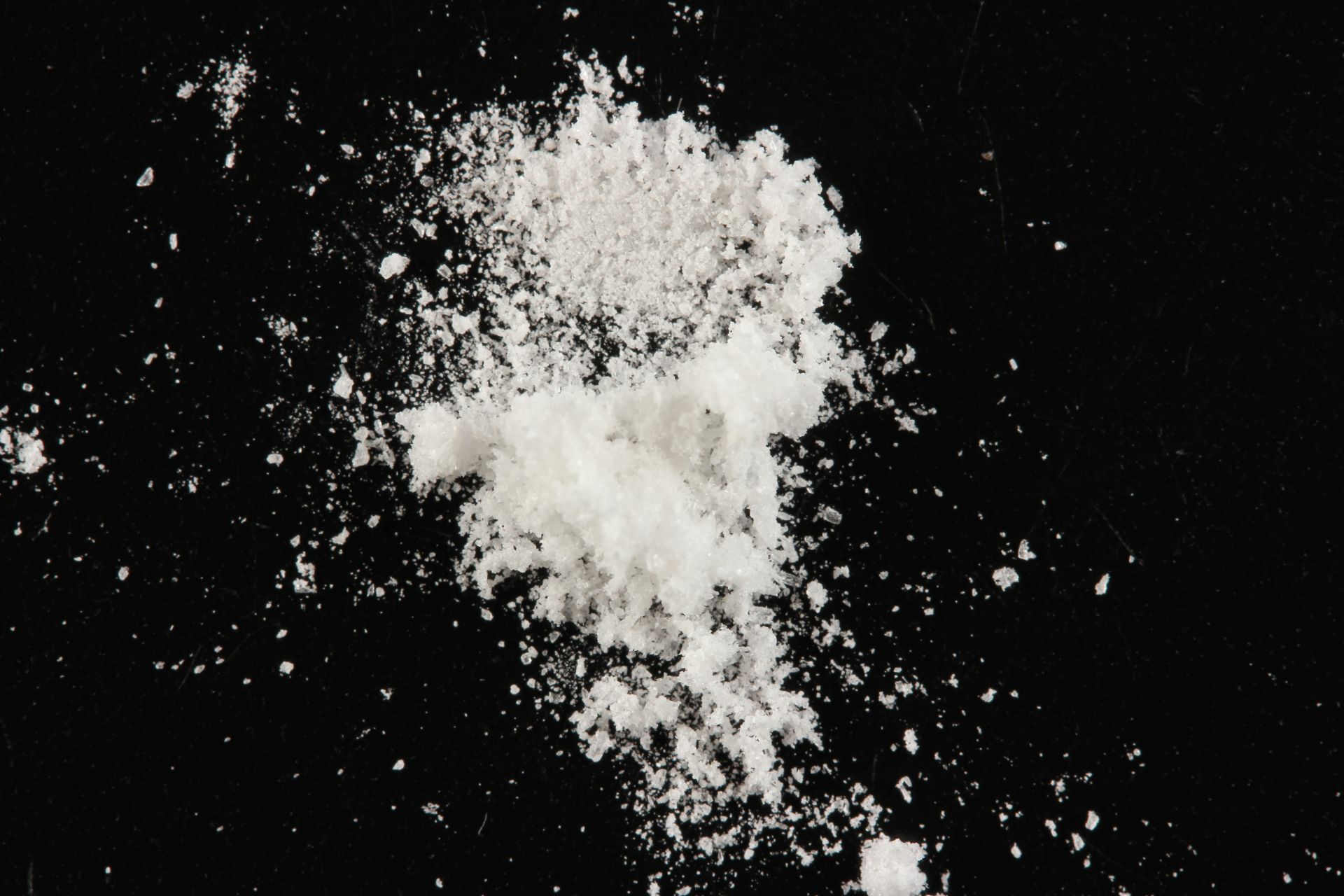
Synthetic cathinones have gained popularity in recent years. The term refers to many different substances. Certain cathinones have been known for a long time. In recent years, however, there has been an increase in new cathinone compounds on the illegal market. Between 2005 and 2024, over 100 different new cathinone compounds were identified in Europe. These substances are referred to as new psychoactive substances (NPS). These substances are still very poorly researched, which is why there is usually little reliable information available.
Synthetic cathinones belong to the amphetamine group. They are derived from natural cathinone, which occurs in the khat plant (Catha edulis). Depending on the exact type of cathinone, there are relevant differences in terms of the effects, side effects, and risks associated with the consumption of these substances.
Differences in effect: Certain cathinones have an empathogenic effect, meaning that users feel more connected to others, similar to MDMA. Others have less of this effect and mainly act as stimulants, similar to amphetamine (speed).

Differences in potency: Differences in potency mean that there are differences in the amount of a substance required to produce a noticeable effect. Accordingly, there are also differences in the amount required to cause an overdose. There are significant differences within the cathinone group. Confusion or incorrect dosage assumptions can be life-threatening. While cathinones such as 2-MMC, 3-MMC, or 4-MMC are typically consumed in swallowed doses of 100-200mg, 20-50mg of NEP is already an active dose – which corresponds to a 3-5 times higher potency. In the case of alpha-PVP, even 5-15 mg ingested is effective, which means that a usual 3-MMC dose can lead to a massive and potentially life-threatening overdose. It is therefore important to know exactly what substance you are dealing with and what properties it has. Information on substances, their effects, and risks can be found here, for example.
Health risks: As with potency, there are also differences in health risks. Some cathinones pose similar risks to more familiar substances such as amphetamine or MDMA. However, others are thought to pose more serious risks. Due to a lack of research, consuming new and lesser-known substances involves a risk that is difficult to predict. In general, the risk increases with the amount and regularity of consumption. Before consuming, find out about the specific risks of the substance!
False declarations: Drug checking can be used to determine with certainty which cathinone is involved. False declarations are currently very common with cathinones. This is illustrated by the chart below with figures from 2024. "Submitted as" shows what the substance was sold as, while "Test result" shows what the substance actually is. In 2024, more than half of all cathinone samples were mislabeled.
Safer use: Even if it is clear exactly what substance is involved, consumption still carries risks. To consume as safely as possible, it helps to follow the safer use messages.
This list is not exhaustive. General safer use messages can be found here.
If you have any further questions, please contact us at info@saferparty.ch.