Quick info
2-MMC is a synthetic cathinone of the amphetamine group and closely related to mephedrone/4-MMC and is closely related to mephedrone/4-MMC. The substance was developed as a legal alternative after 4-MMC was banned and is one of the little-researched new psychoactive substances. In the meantime, 2-MMC has also been banned in most countries. To date, there is hardly any scientific knowledge about the mechanisms of action, toxicity and long-term effects. The current state of knowledge is mainly based on reports from users. Consumption is therefore associated with a high degree of uncertainty.
The effect of 2-MMC (2-methylmethcathinone) is described as euphoric, stimulating, activating and slightly empathogenic. In comparison to 3-MMC or 4-MMC 2-MMC is often described as less empathogenic (lower "feeling of connection" as with MDMA), but more stimulating and focusing . The euphoric effect is usually shorter, while the stimulating component is more prominent. 2-MMC is also often described as having a libido-enhancing effect, which is why the substance is also used in a sexual context.
Due to the short duration of action, the craving for 2-MMC and other cathinones is particularly pronounced when consumed nasally. The potential for dependence is significantly higher than with other empathogens such as MDMA or methylone.
Onset of action
Snorted: after 5-15 minutes
Swallowed: after 15 -45 minutes
Duration of action
Snorted: 1.5 -3 hours
Swallowed: 2-4 hours
After-effects ("down phase") can last 6-24 hours.
Snuffed
Light: 20- 50 mg
Medium: 50- 100 mg
Heavy: 100- 150 mg
Swallowed
Light: 50-100 mg
Medium: 100-150 mg
Strong: 150-250 mg
This dosage information comes from consumer reports and has not been scientifically validated. The individual effect can vary greatly.
Little is known about intravenous, rectal, and inhalation use. These forms of use should be avoided. If you do try any of these forms of use, use as low a dose as possible.
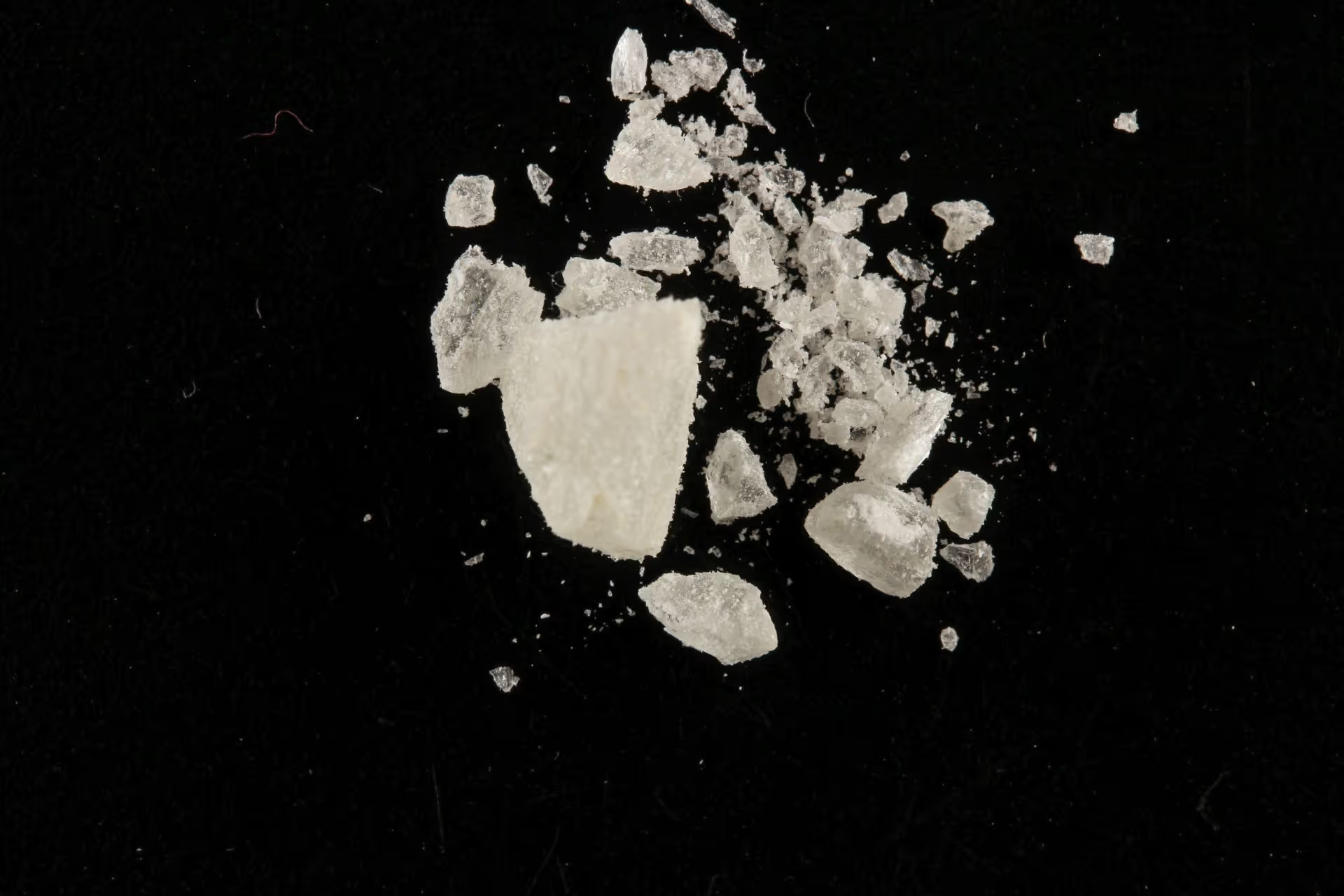
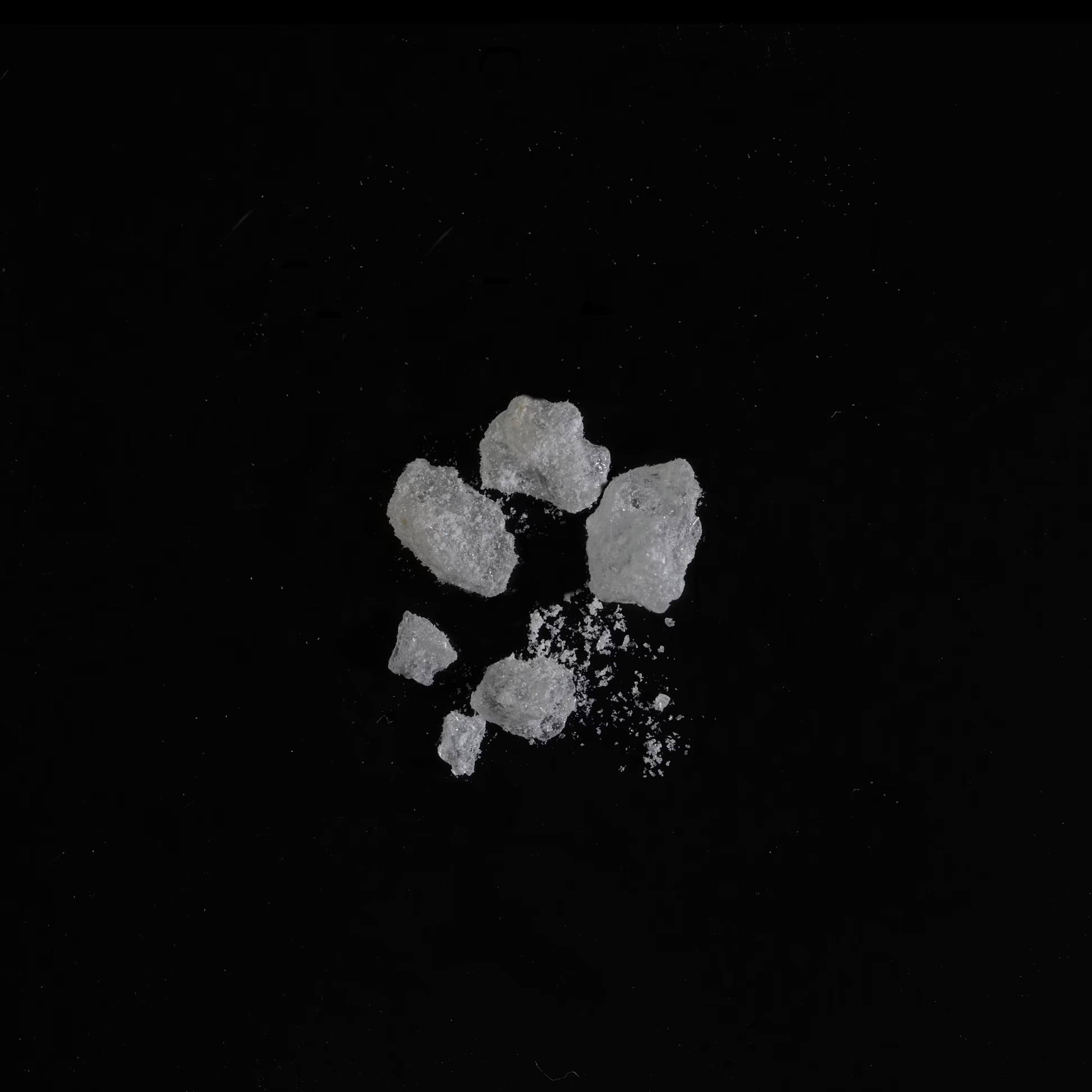
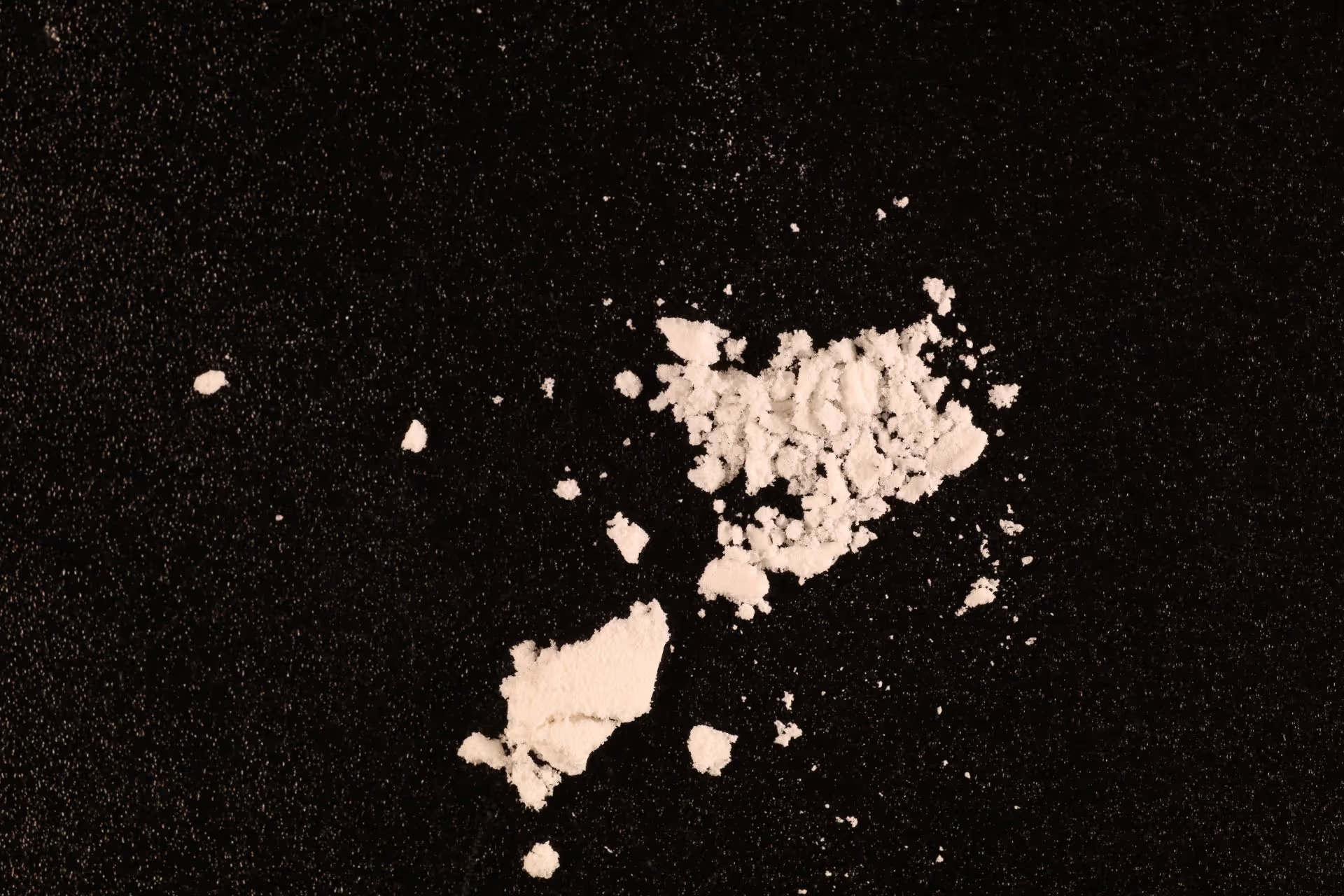
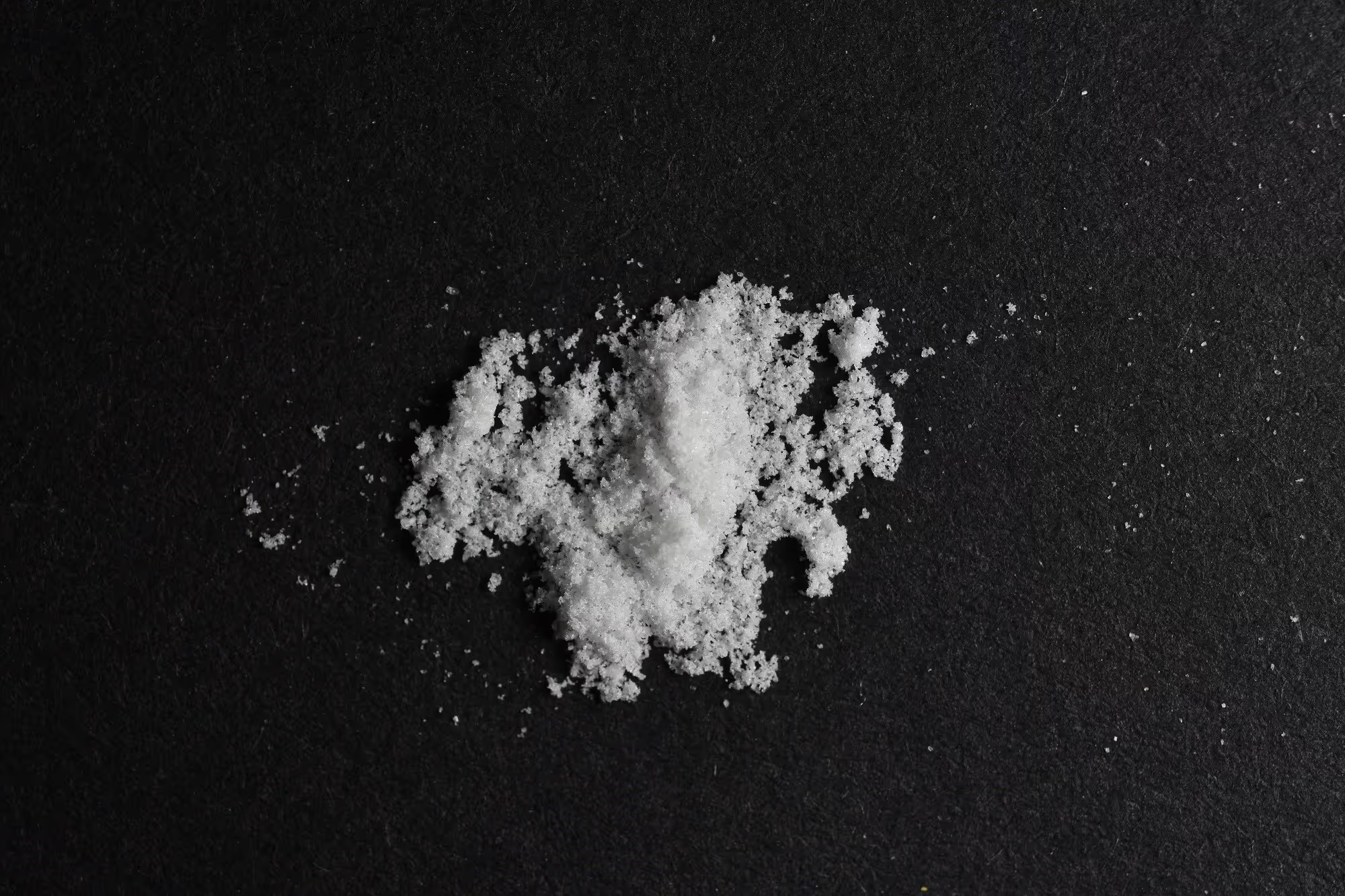
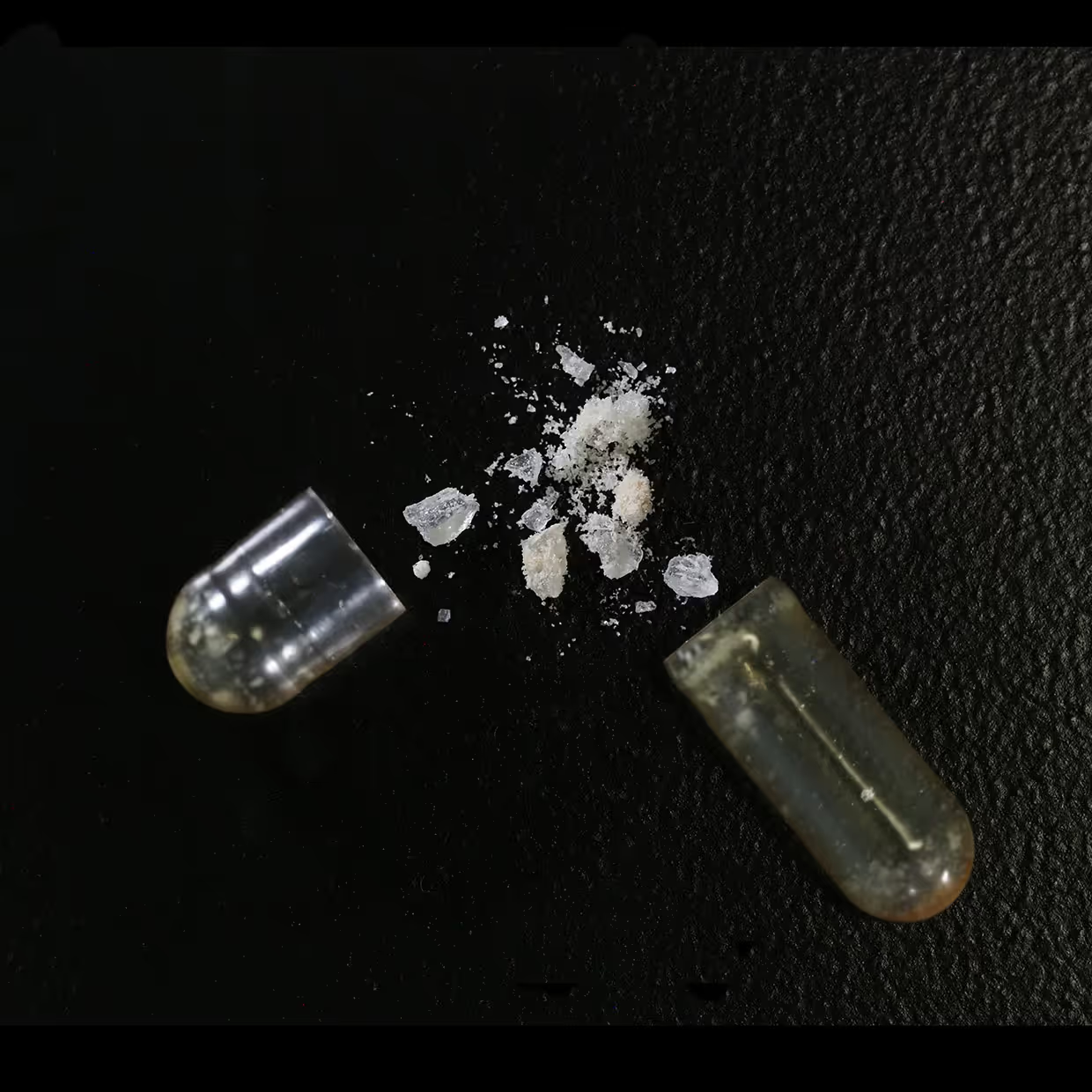
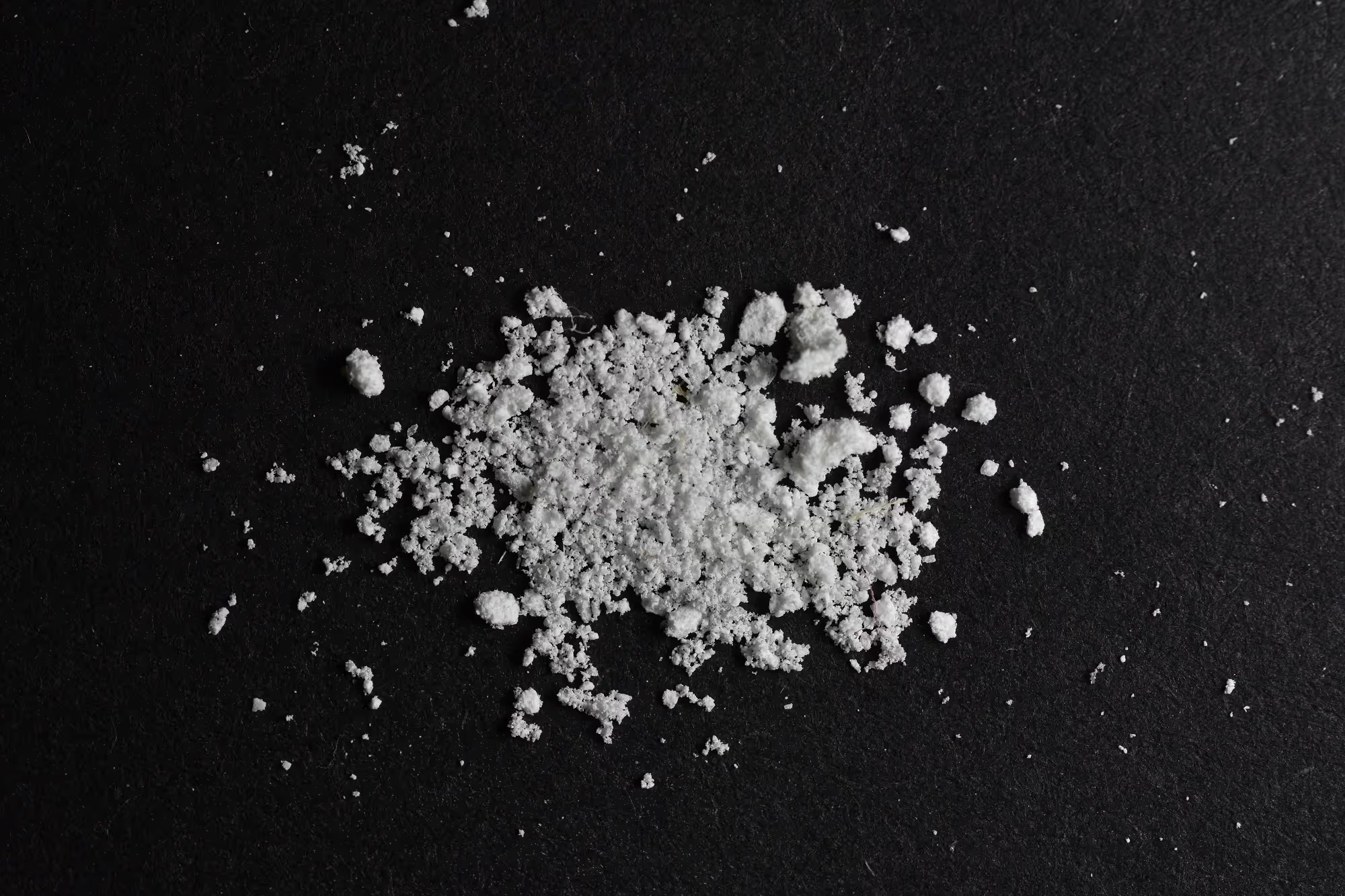
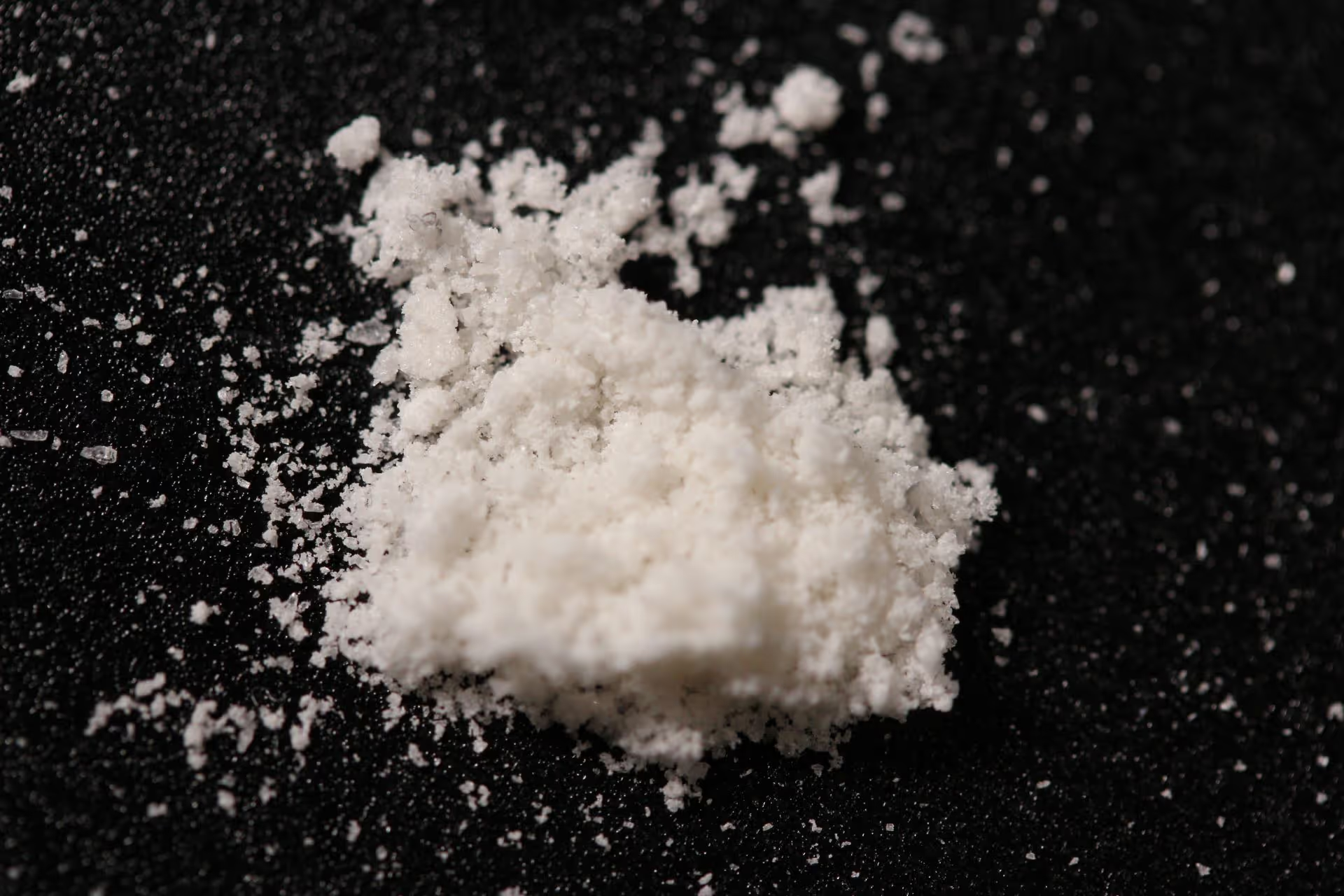
Forms of appearance: White to beige crystalline powder
Physical side effects
Psychological side effects
Long-term risks
Mixed use with other substances can significantly increase the risk. Combinations with are particularly dangerous:
Other potentially harmful combinations cannot be ruled out, as there is no scientifically sound information on interactions with cathinones.
Since 2023, synthetic cathinones such as 2-MMC and 3-MMC have been increasingly circulating in the party scene again. An increasing number of samples containing alleged 3-MMC or 2-MMC are currently being handed in for drug checking in Switzerland.
The analysis results show that up to 75% of these samples do not contain the expected active substance. Often unexplored or cheaply produced new psychoactive substances (NPS) such as 3-CMC,4-CMC, 2-MEC or dimethylpentylone (N,N-dimethylpentylone) are sold as "2-MMC" or "3-MMC".
In addition to such misdeclarations, many samples also contain synthesis by-products and residues from the manufacturing process . These are caused by inadequate purification or improper synthesis steps and can pose a health risk.
If you or someone else needs urgent help after taking drugs or alcohol, call an ambulance on 144. Tell the emergency responders everything you know.
It could save lives.