About half a year ago, in our blog post titled “Information on Synthetic Cathinones,” we highlighted the increase in cathinone samples detected during drug testing and provided a general overview of this group of substances.
The following blog post aims to address this topic and provide an overview of current developments.
In 2025, 198 samples were submitted to the DIZ that were declared to be synthetic cathinone derivatives. This places this group of substances in sixth place among the most frequently analyzed substances, tied with ketamine. The substances most frequently submitted for analysis were those purchased as 3- or 4-MMC.
3-MMC was submitted for analysis 67 times. Of these, only 7 samples contained the declared active ingredient 3-MMC. In other words, in 90% of all cases, the substance was not 3-MMC but was mislabeled. Instead of 3-MMC, the majority of the samples contained the related active ingredient 2-MMC. The effects of 2-MMC are similar, but are described as less euphoric or empathetic and more stimulating, like amphetamine, for example. This mix-up is generally not particularly risky, since 2-MMC has similar effects and is dosed similarly. In some cases, however, the mislabeling poses significantly greater risks. On multiple occasions, highly potent stimulants such as methamphetamine, NEP, or α-PVP were sold as 3-MMC. These substances are dosed at much lower levels than 3-MMC. If these substances are unintentionally consumed at dosages typical for 3-MMC, there is a high risk of overdose. For more information, see our blog post “NEP Instead of 3-MMC and 4-MMC.” In addition to these highly potent stimulants, other cathinone variants such as BMC ( bromomethcathinone) or CMC (chloromethcathinone) have frequently been sold as 3-MMC. These substances have been very poorly studied; the research available to us indicates that their use can entail various risks and side effects, in some cases with higher toxicity (harmful effects) than would be expected from the substances themselves.
4-MMC ( Mephedrone) was submitted for analysis 112 times. 72% of all samples contained the expected active ingredient. Compared to 3-MMC, 4-MMC samples are much more frequently correctly labeled. However, here as well, other substances were regularly detected in addition to or instead of 4-MMC. As with 3-MMC, these are mostly the cathinone variants described above, such as 2-MMC, 3-CMC, 4-CMC, or 4-BMC. Here, too, however, there are cases of mislabeling involving highly potent stimulants.
The interactive chart below illustrates the figures mentioned above:
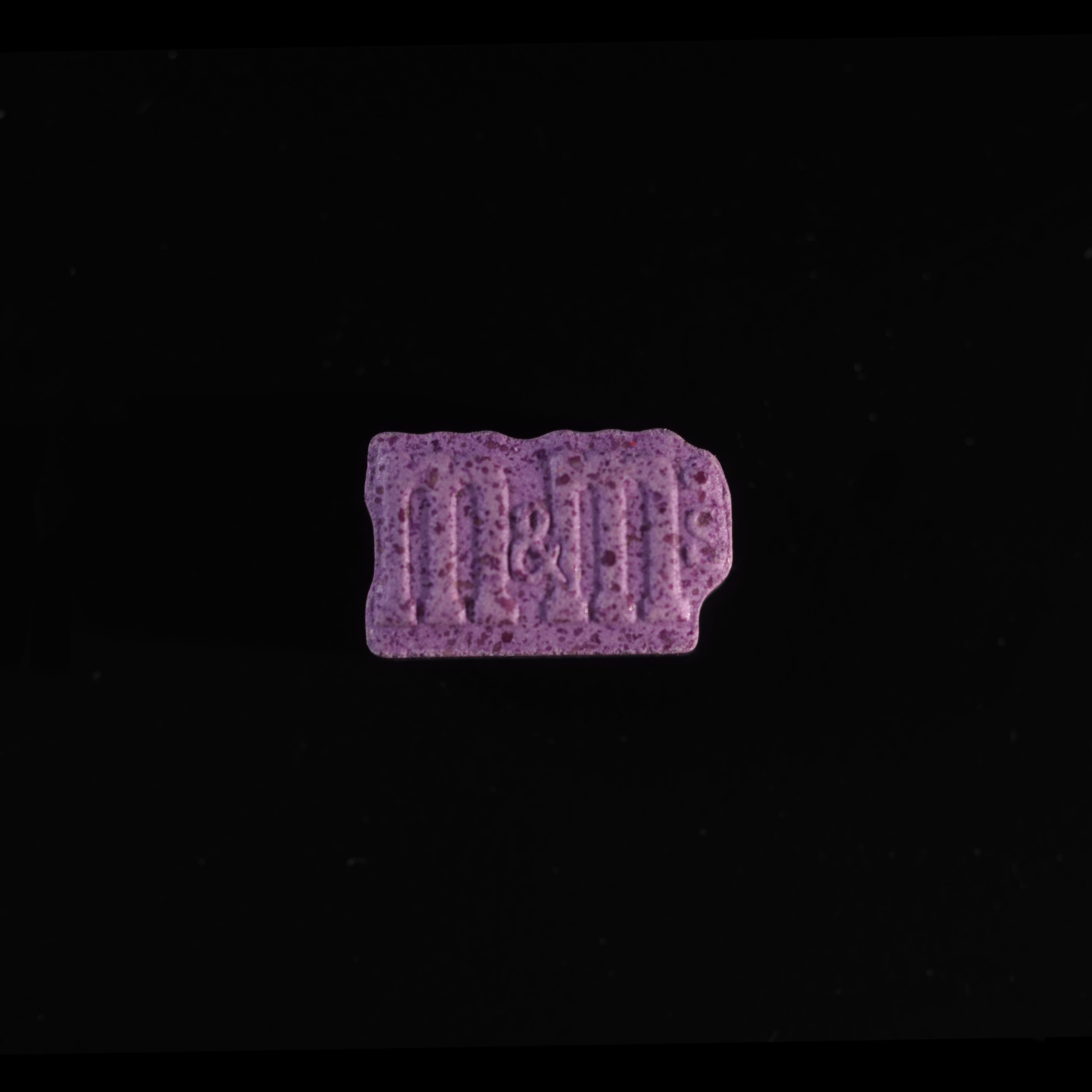
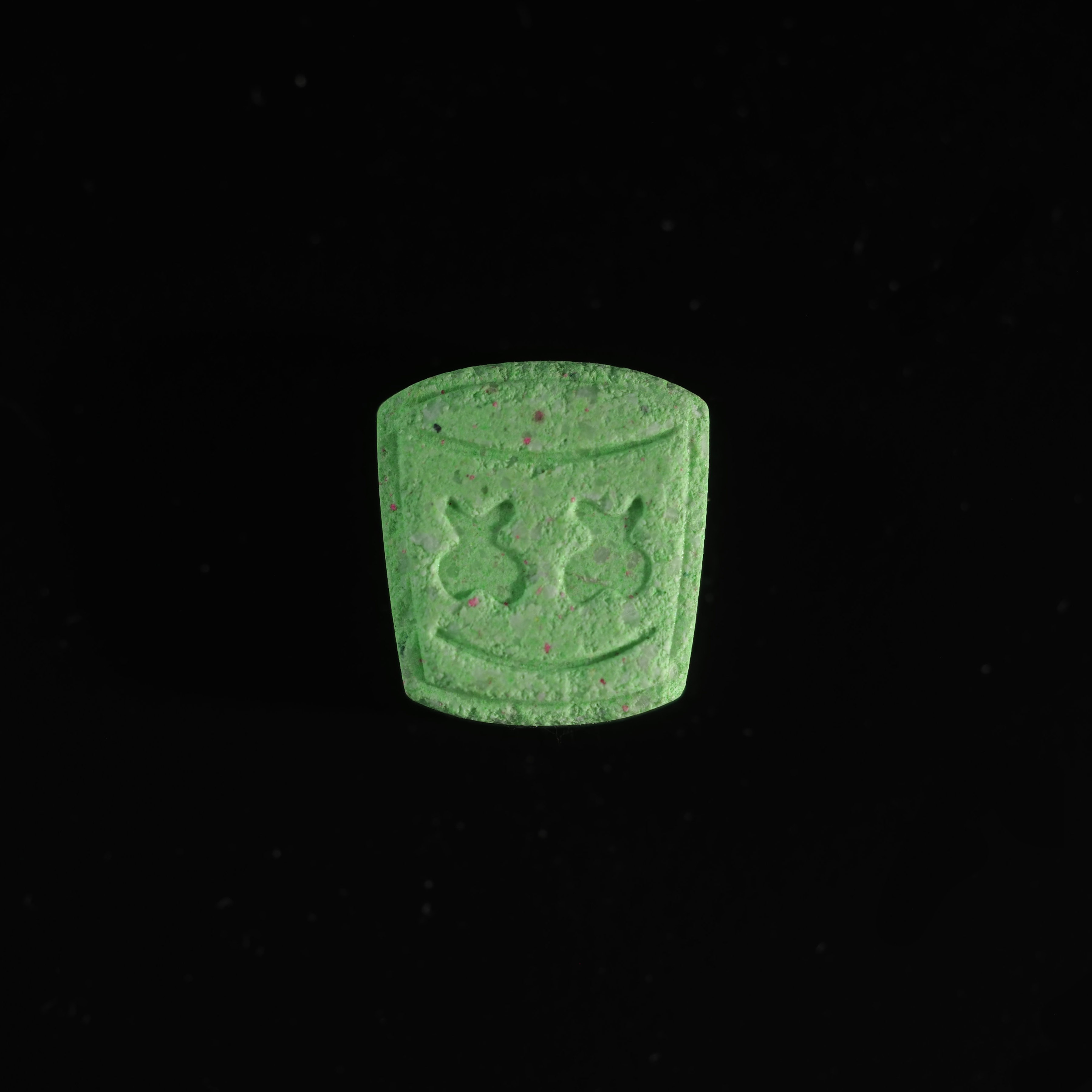
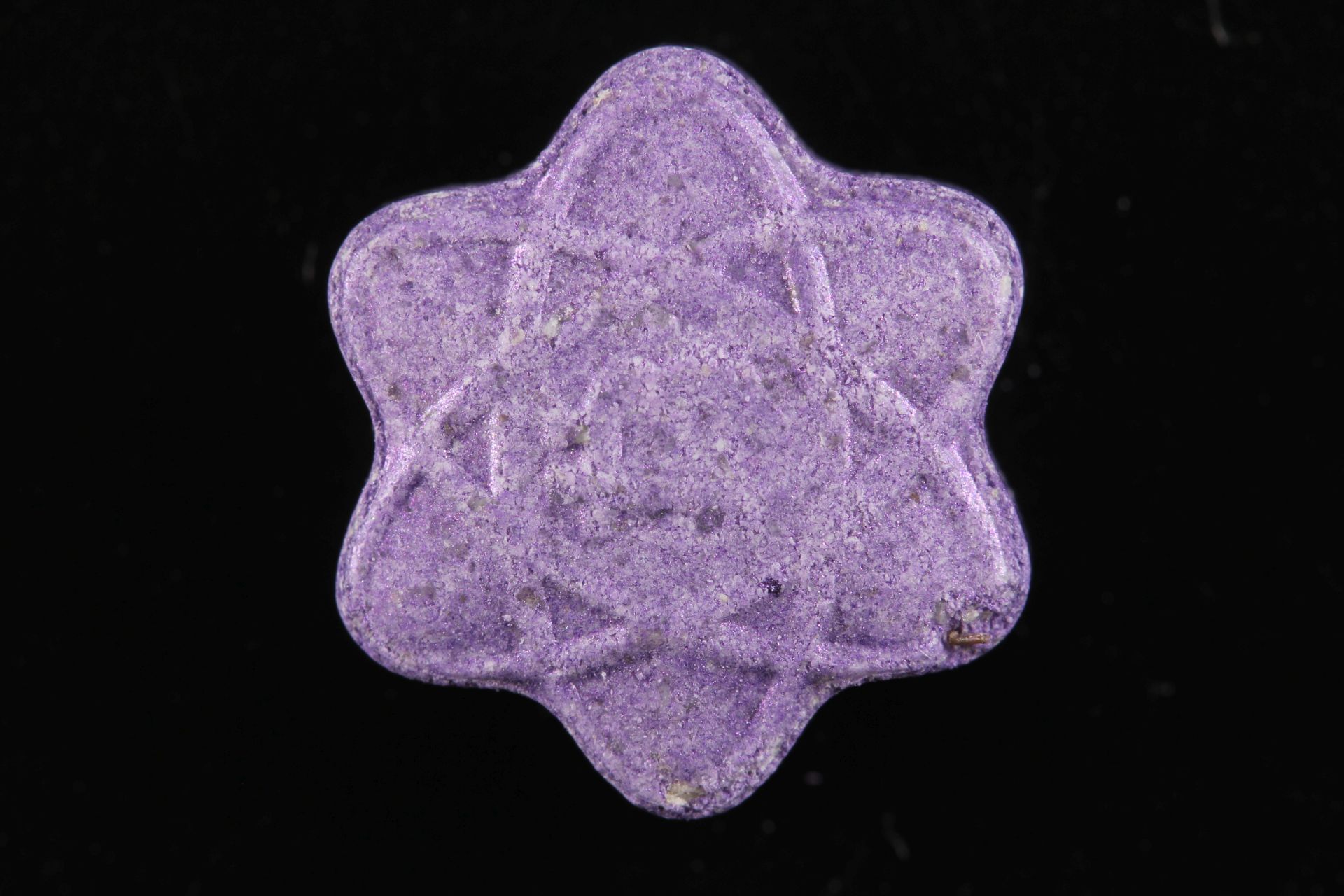
Currently, there are frequent cases of mislabeling involving MDMA and cathinones. On the one hand, MDMA is being sold as a cathinone; on the other hand, especially in the last six months, cathinones have often been sold as MDMA. As a result, cathinones have been the most frequently detected unexpected substances in MDMA samples so far this year. This can lead to unintended side effects for various reasons. Although MDMA and cathinones have similar effects, they are not identical. Compared to 3-MMC and 4-MMC, MDMA is more potent; at the same dosage, MDMA has a stronger empathogenic effect (touching the inner self, intensifying emotional perception). If not consumed intentionally, this can be too intense. Conversely, most cathinones have been less thoroughly researched than MDMA, which is why consuming them carries a potentially higher risk.
The most important points, in summary: