








.avif)

.jpg)


.avif)


.avif)
.avif)





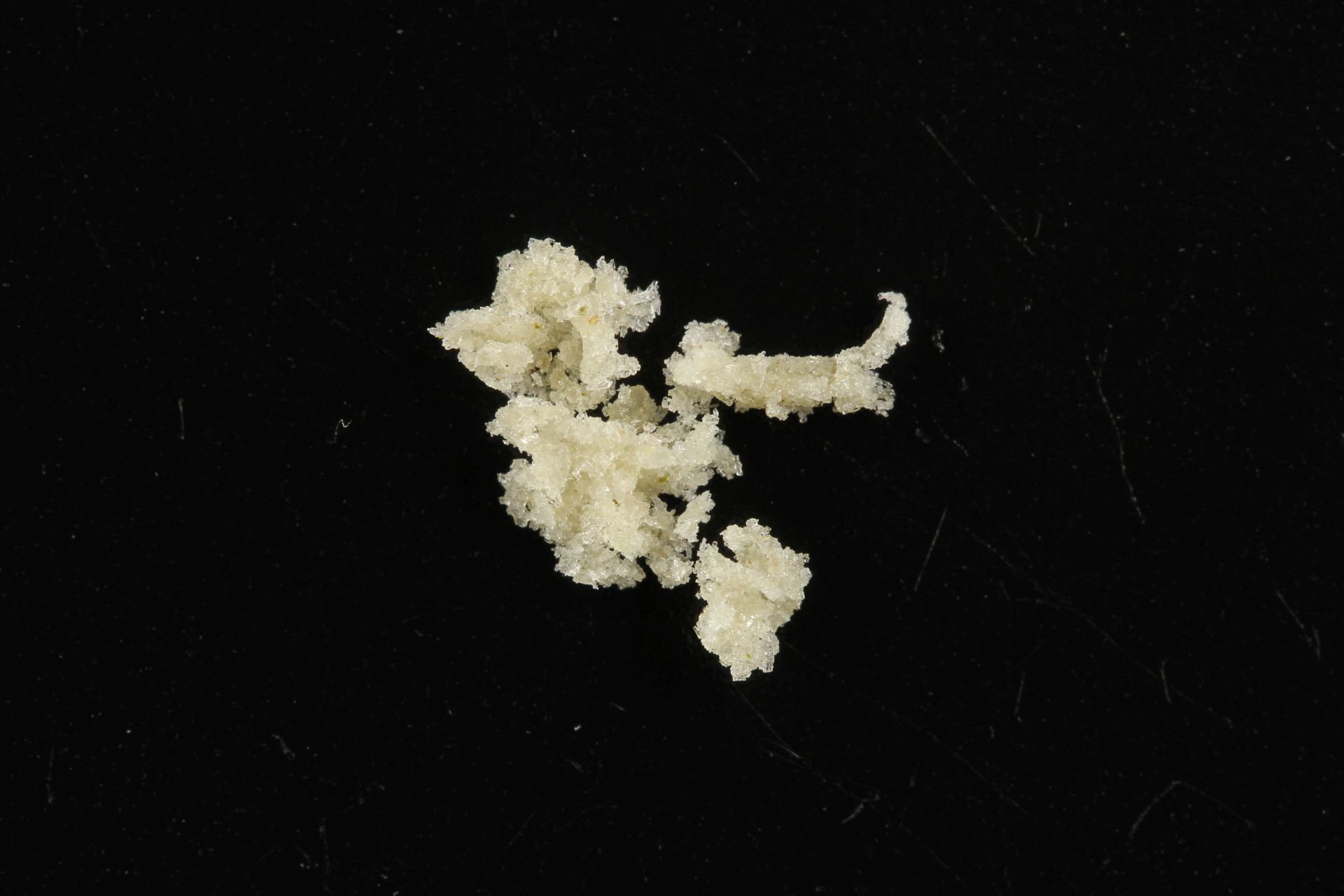
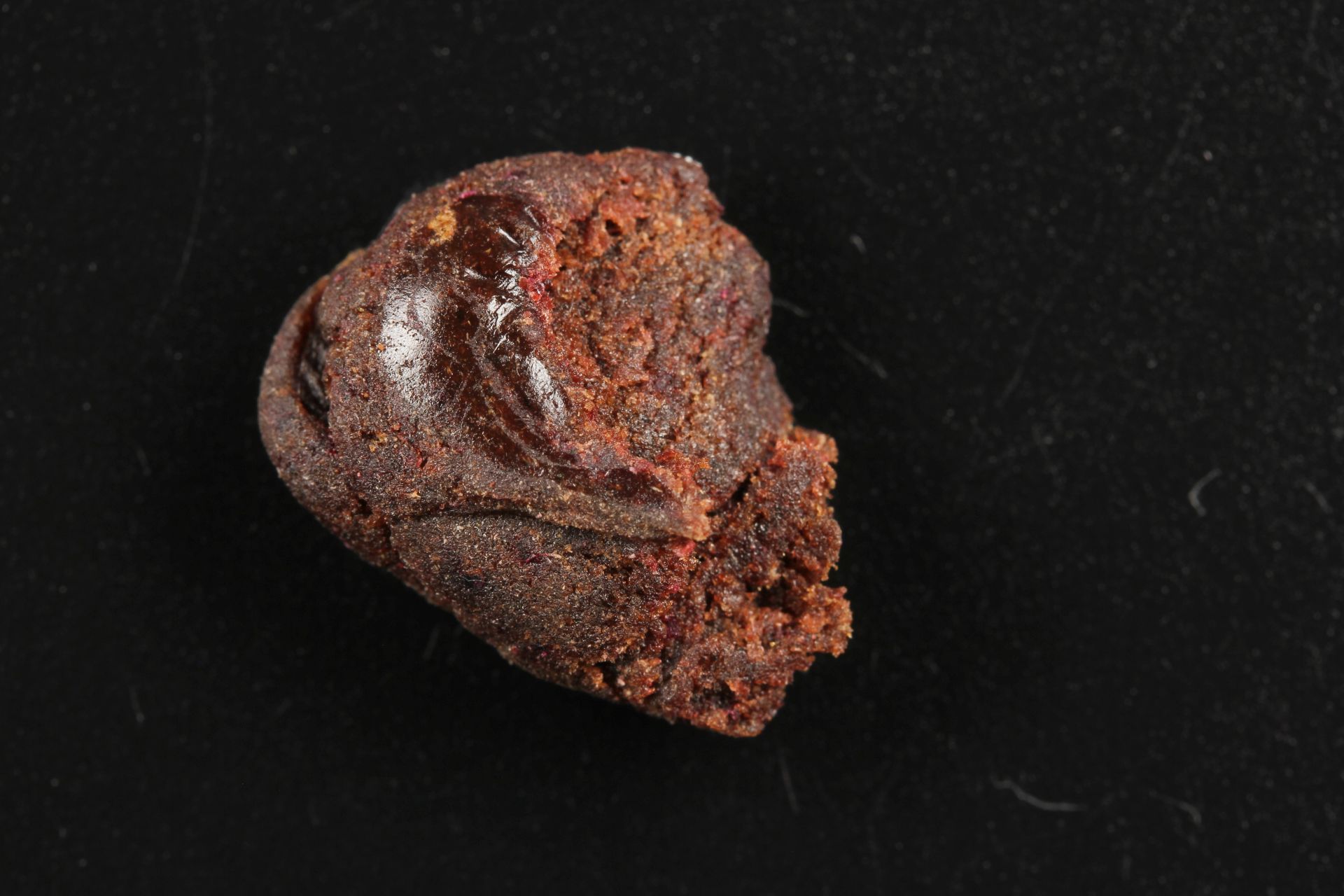
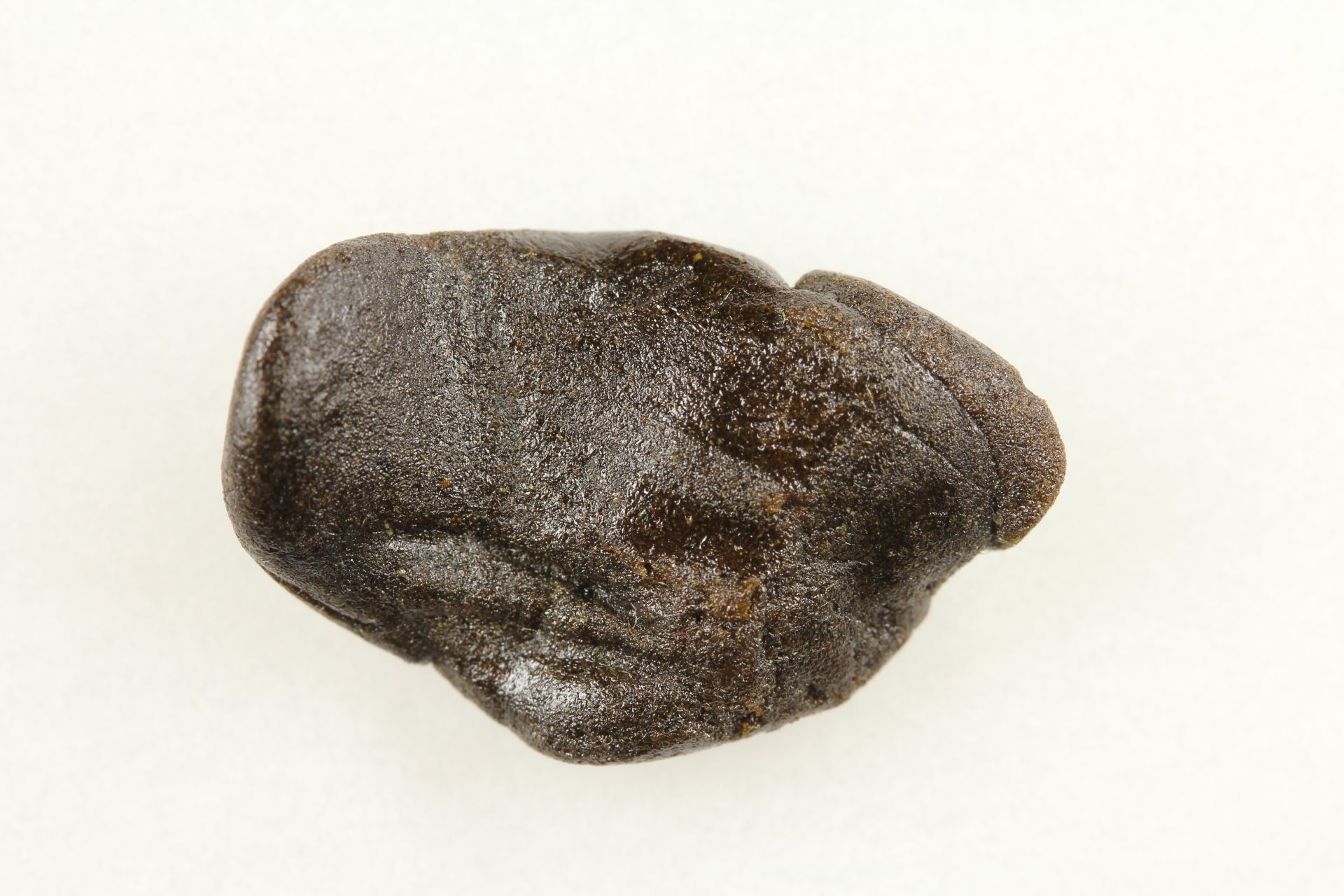
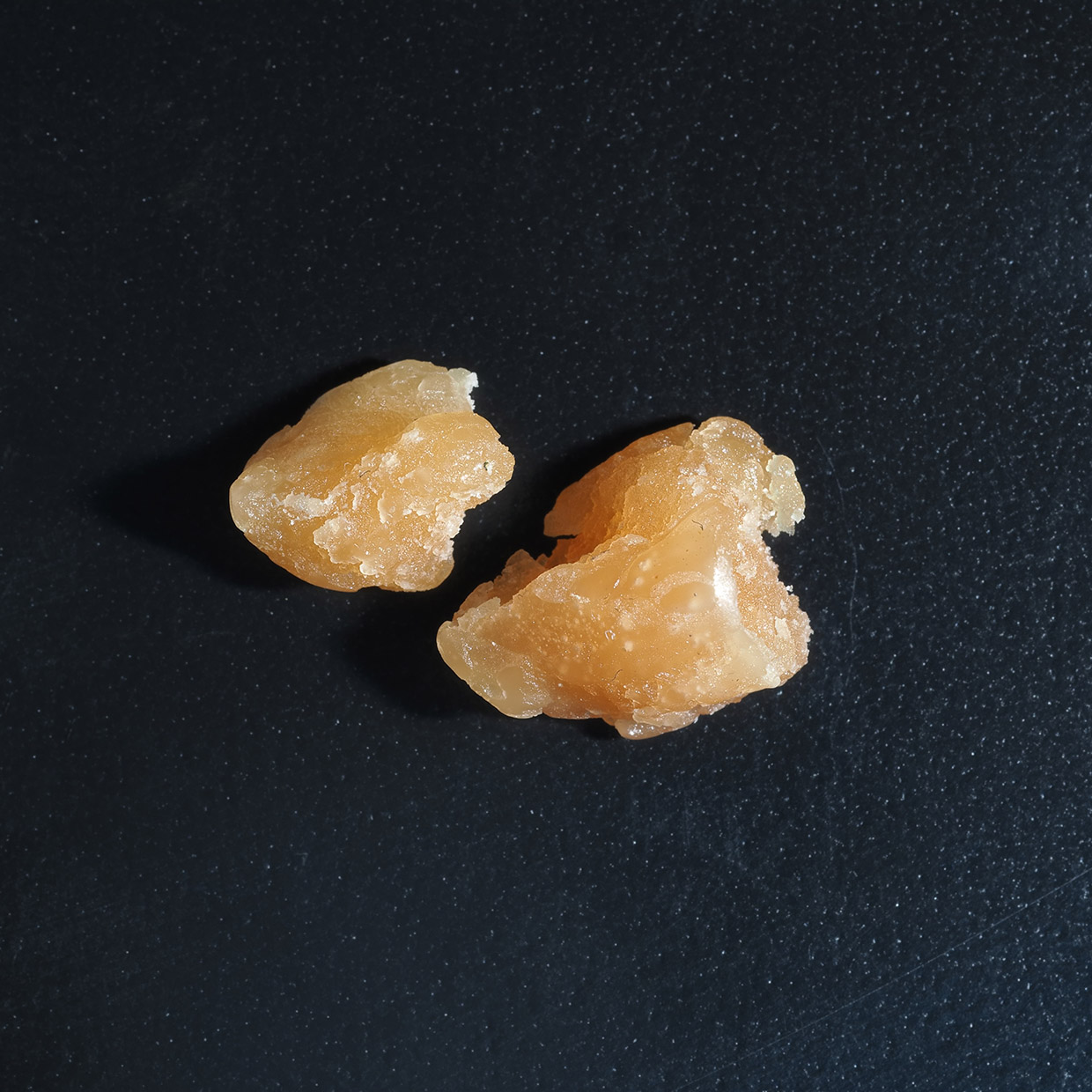
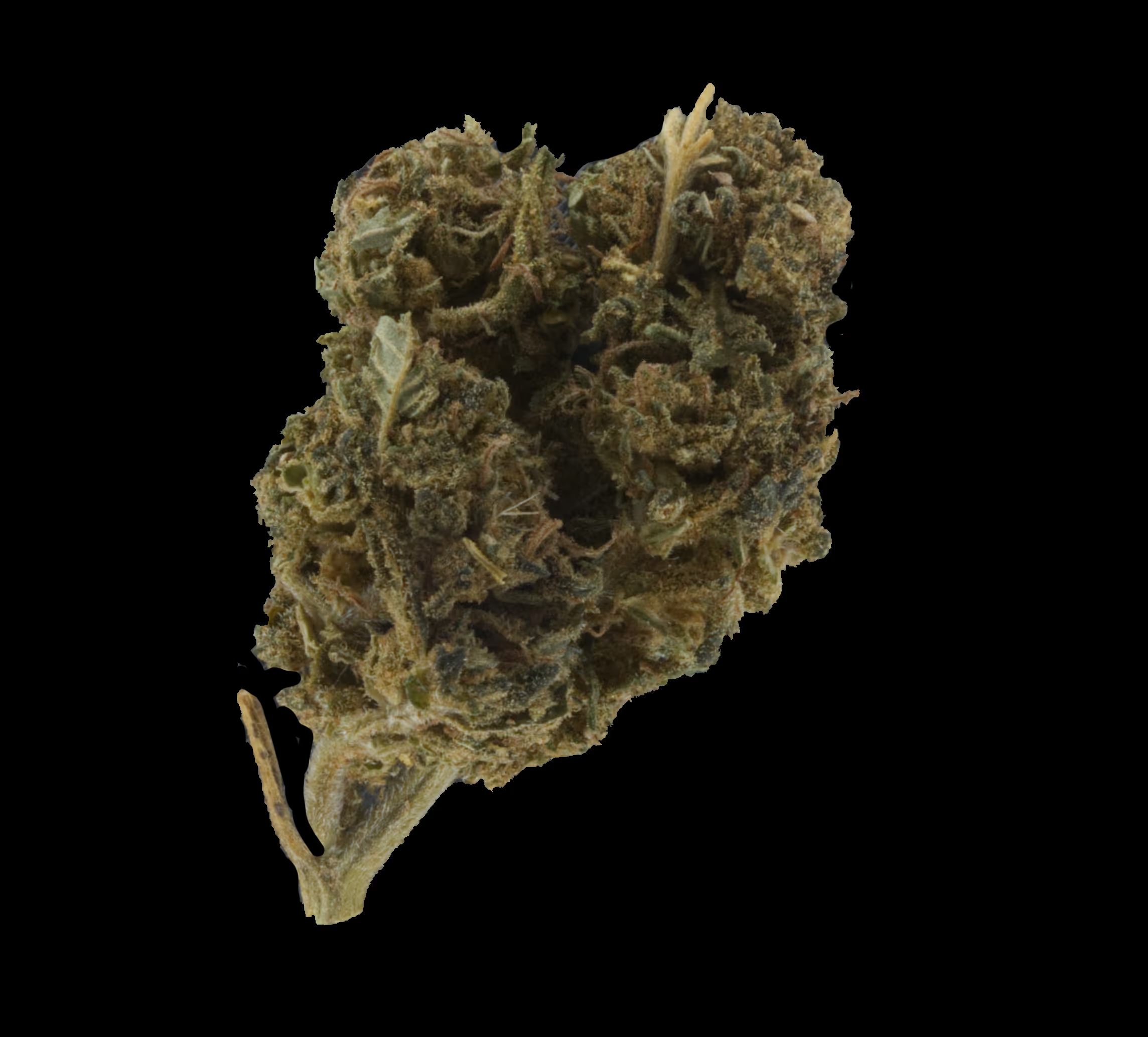
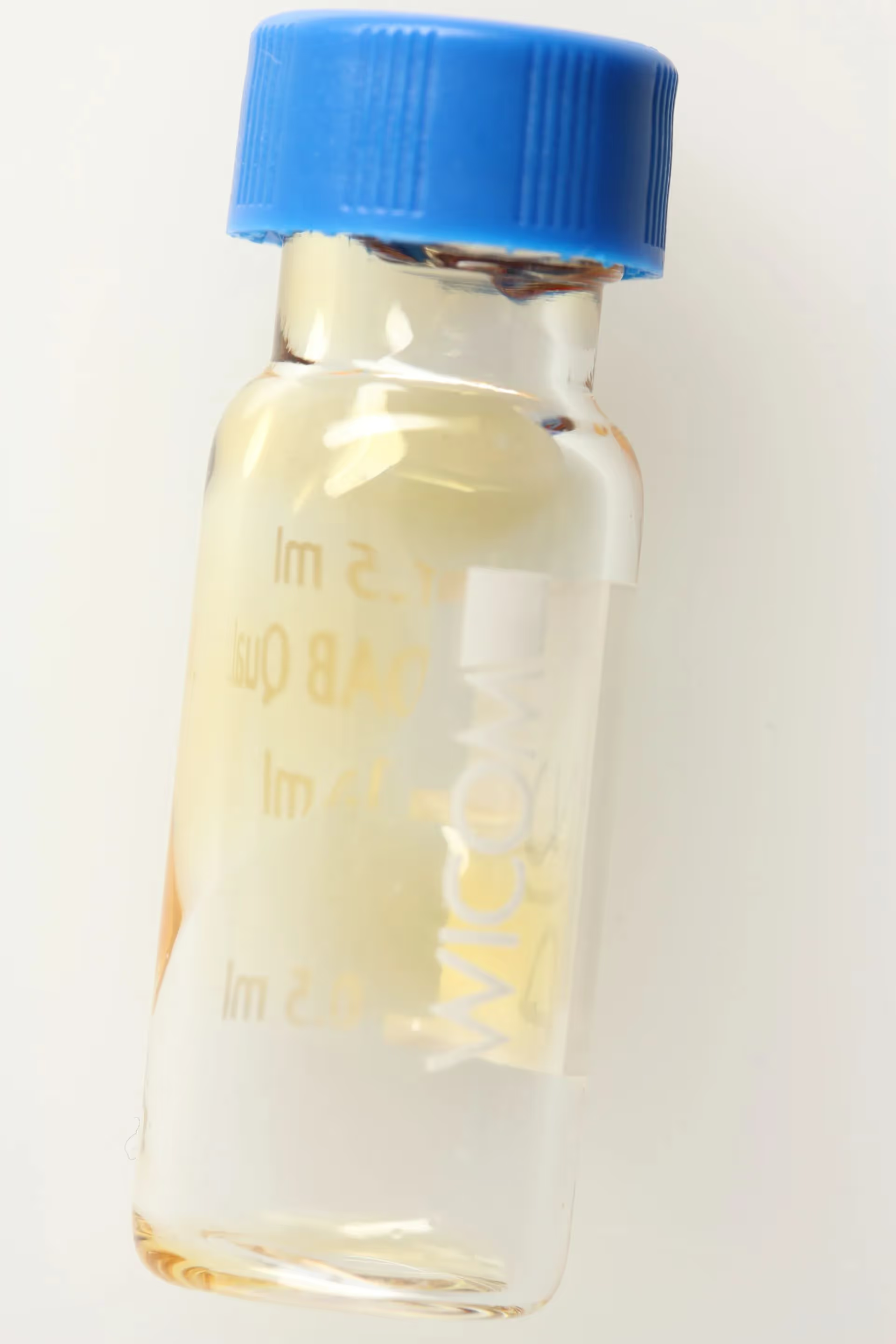
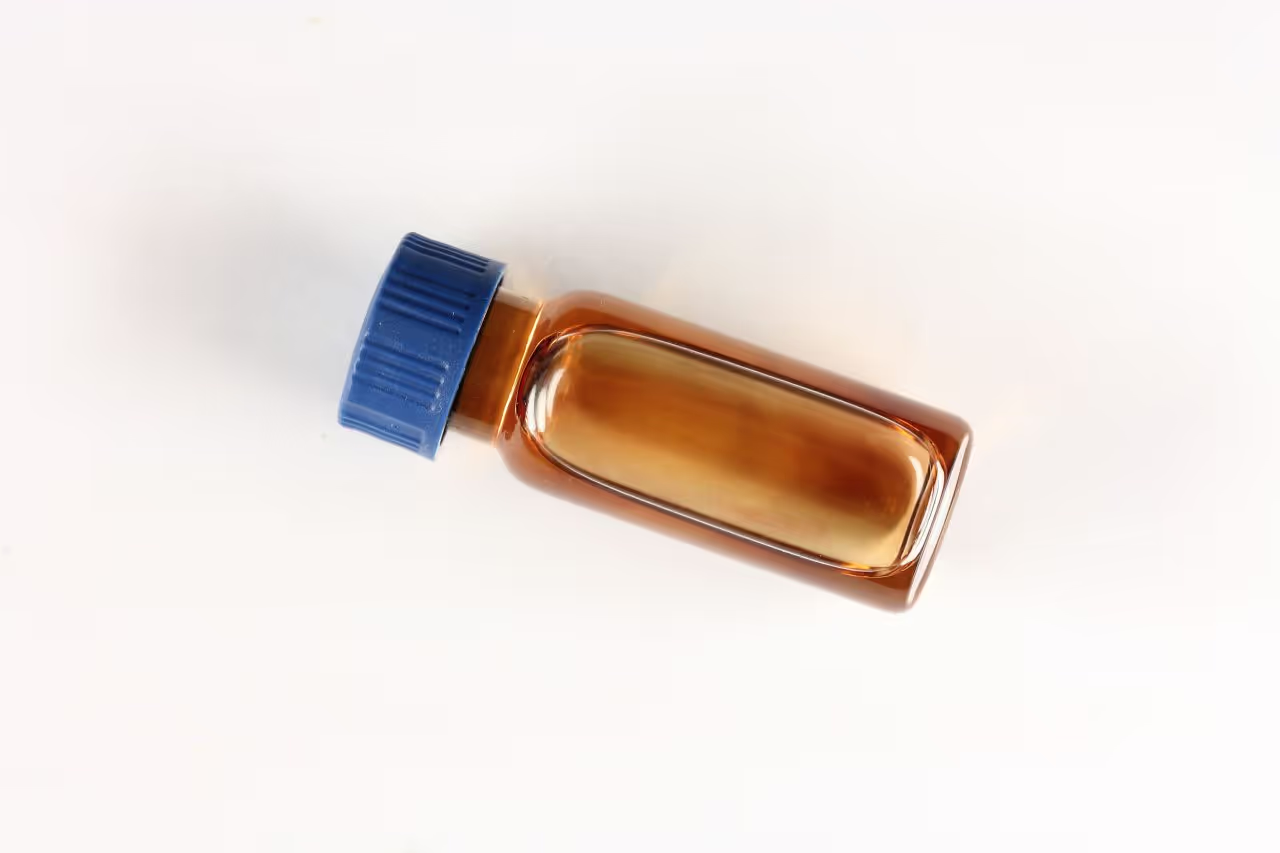
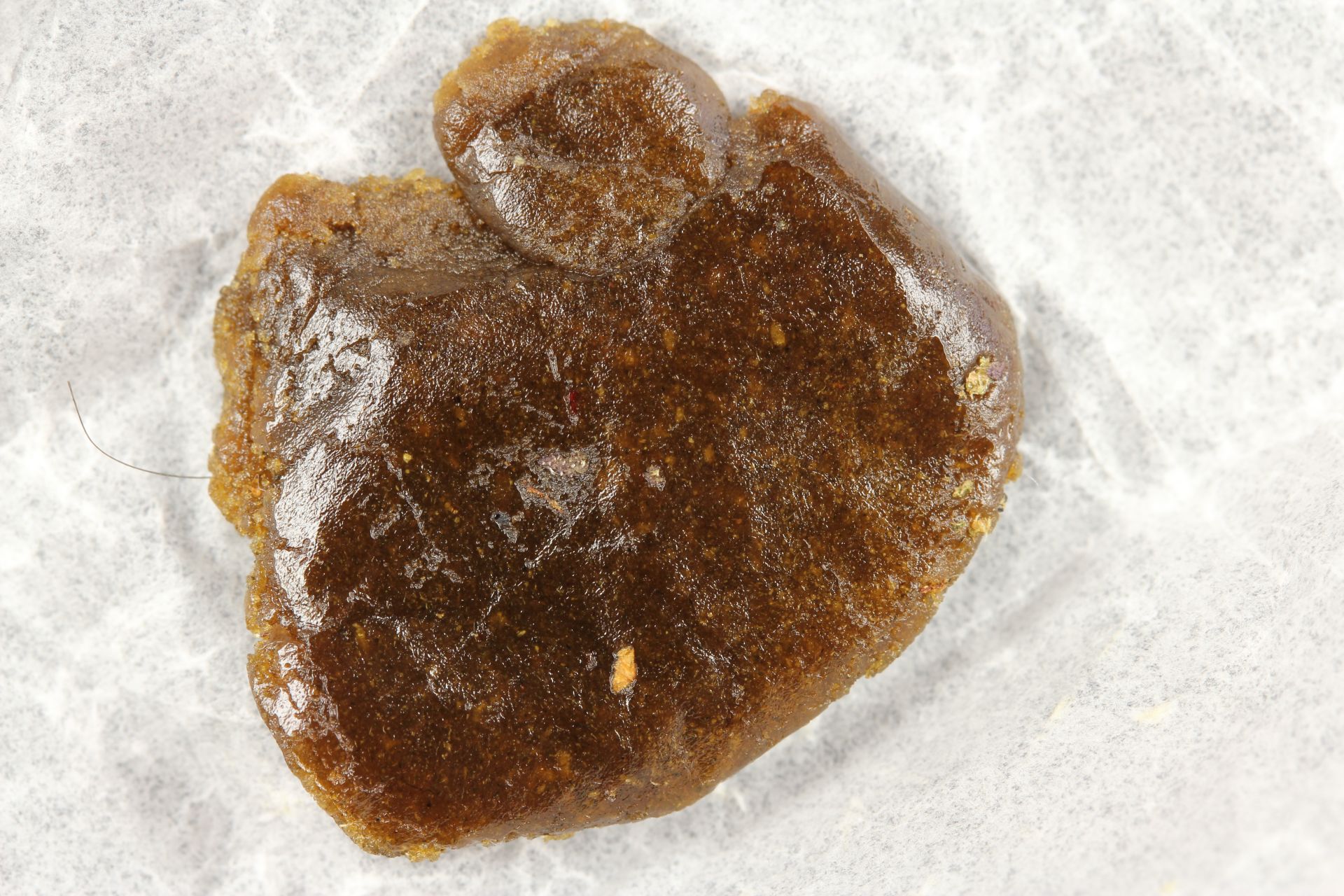
Hashish containing delta-8-THC and synthetic cannabinoids
Risk assessment
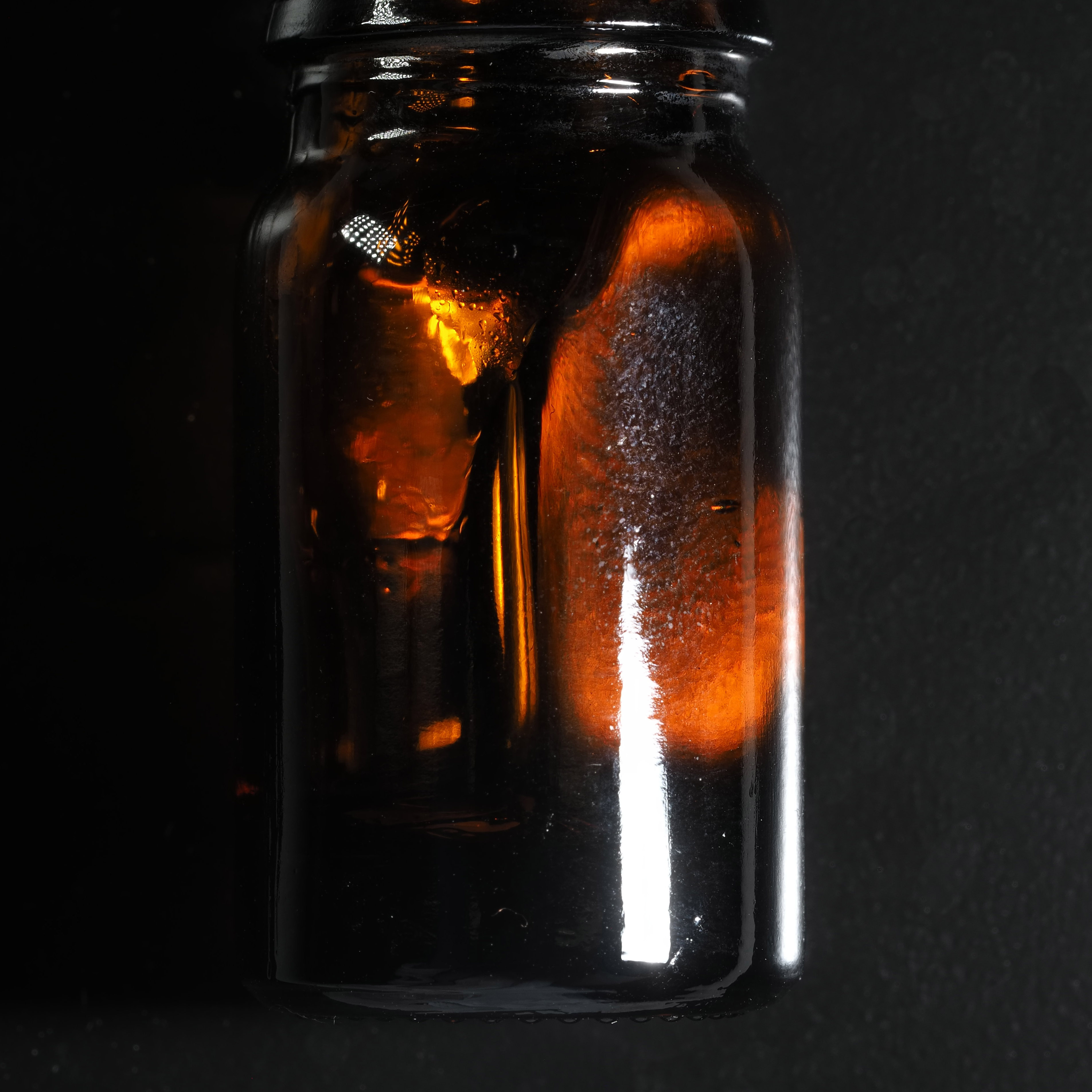
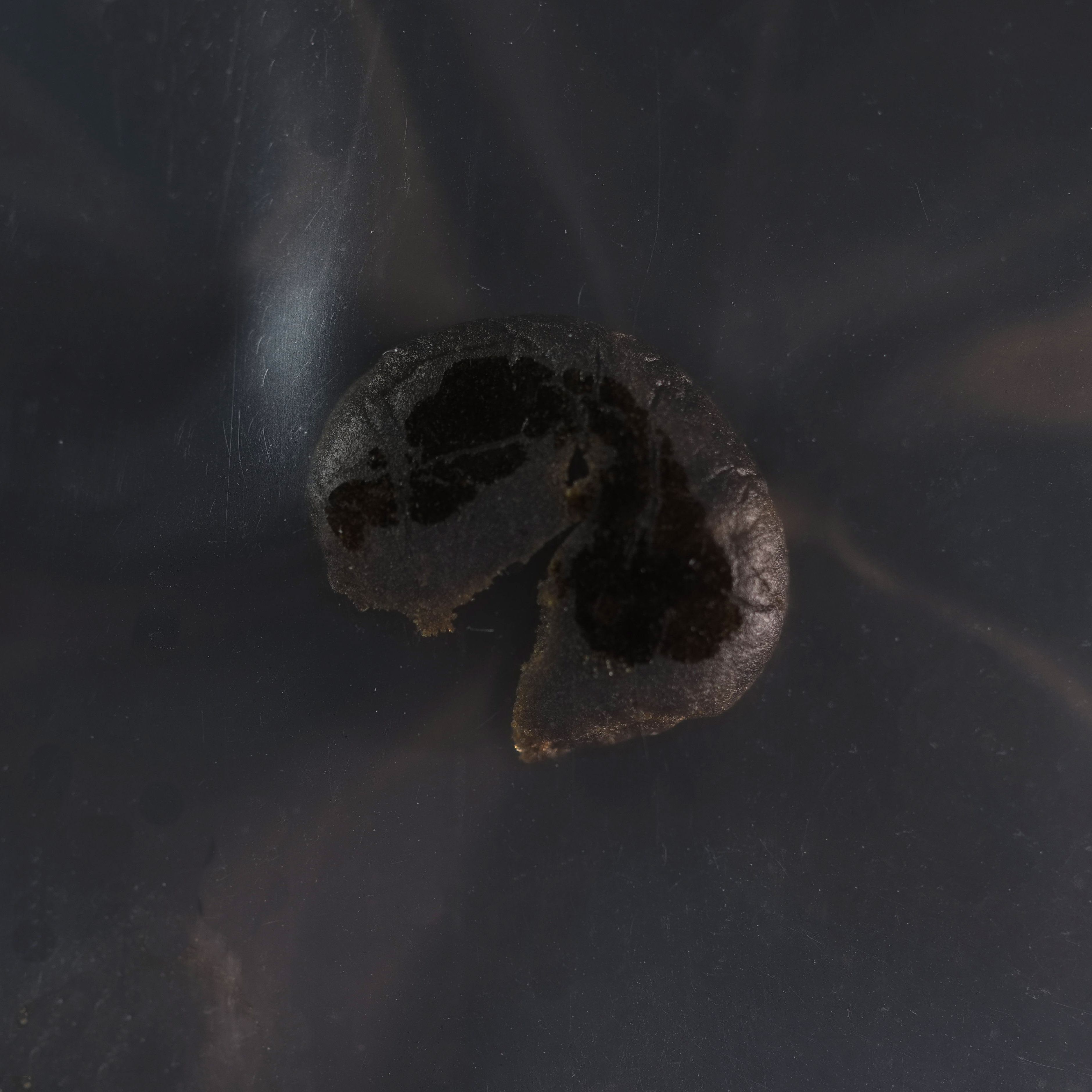
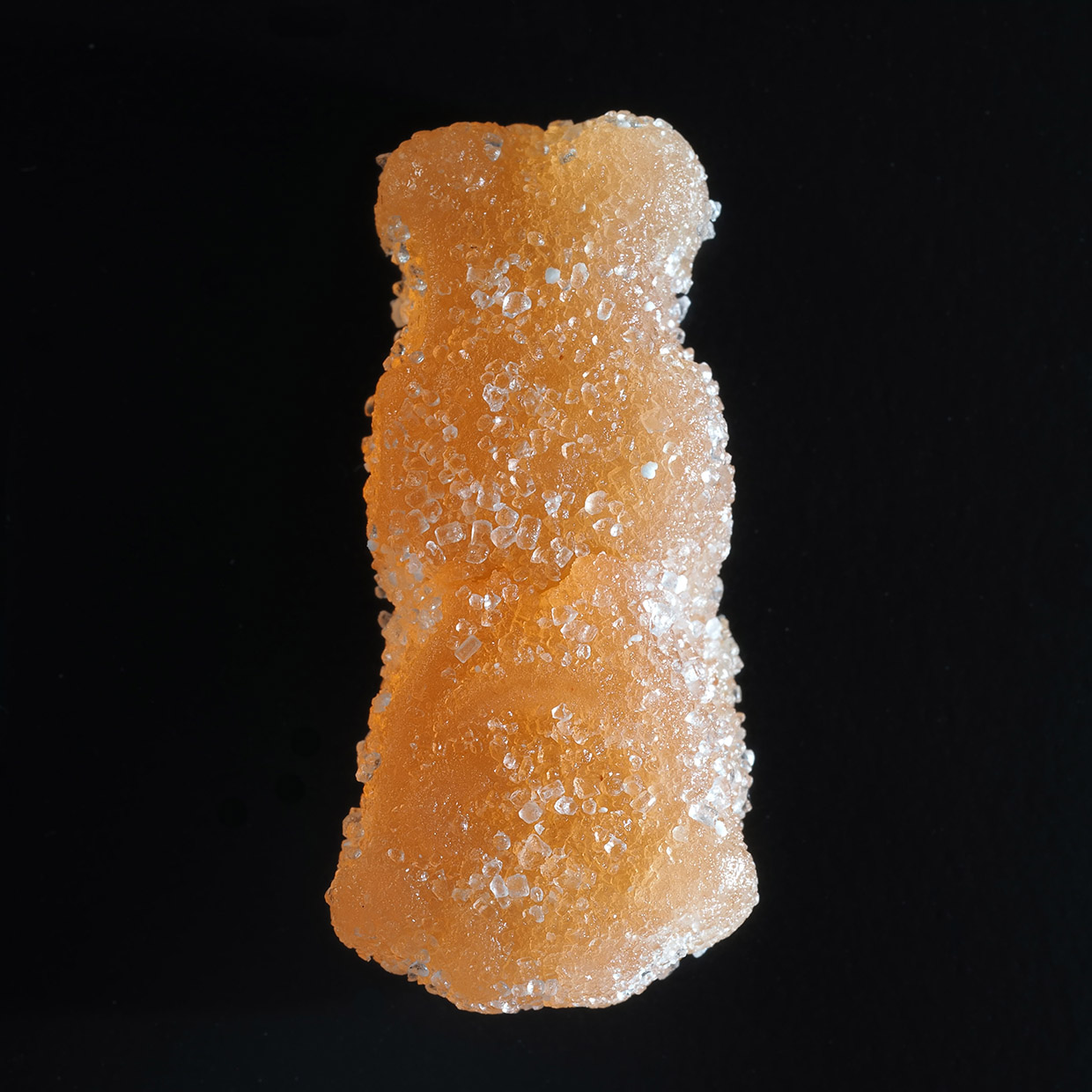
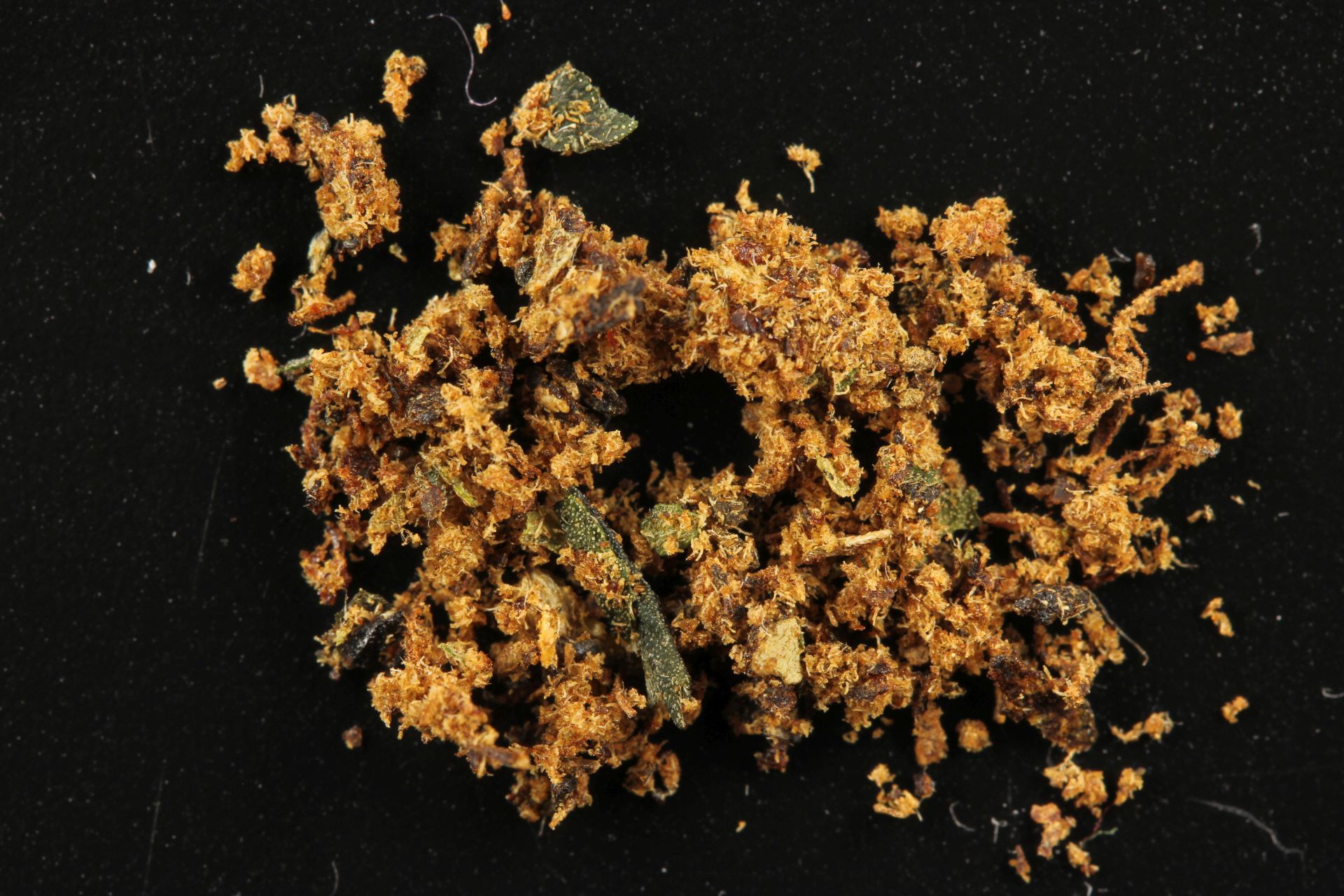
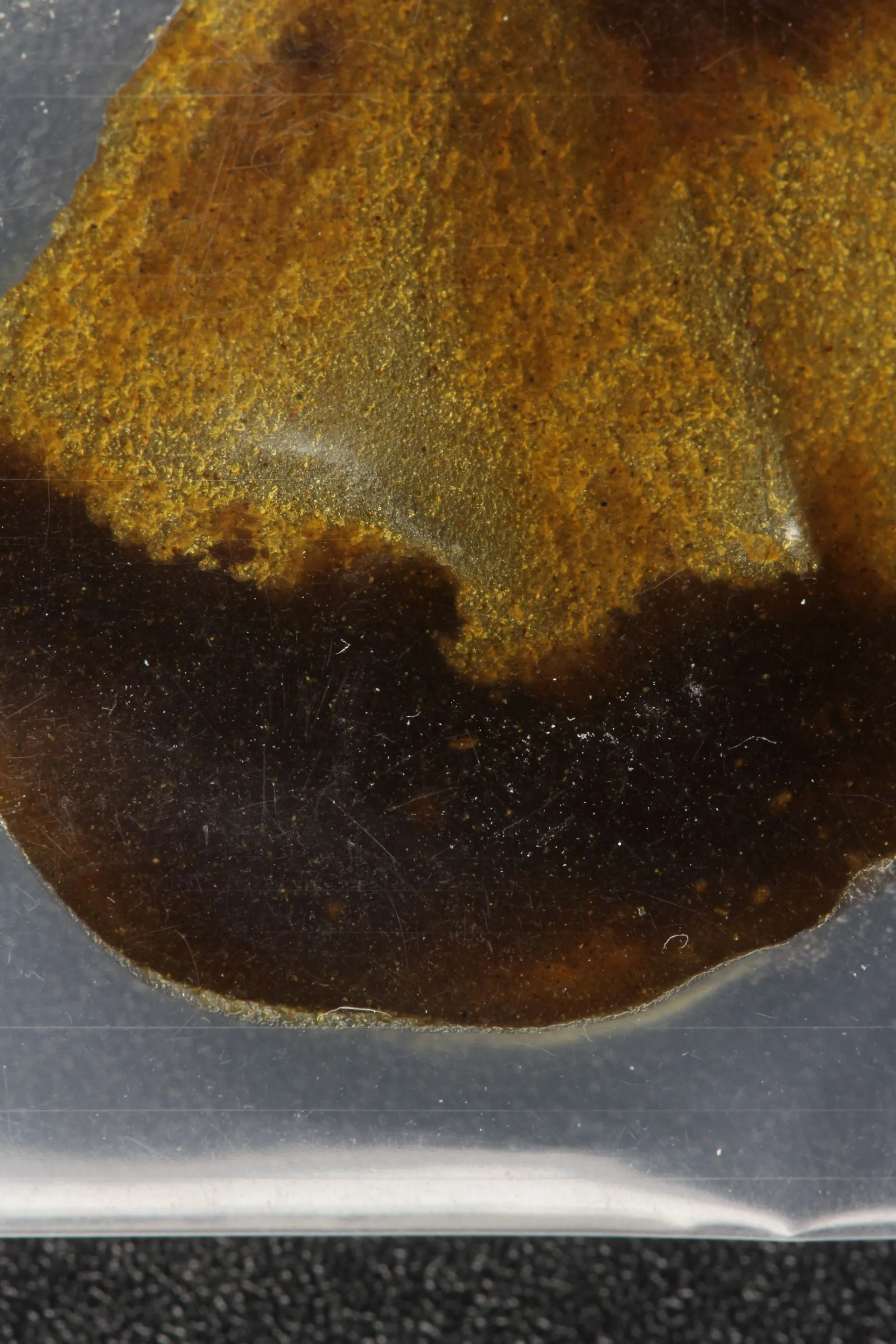
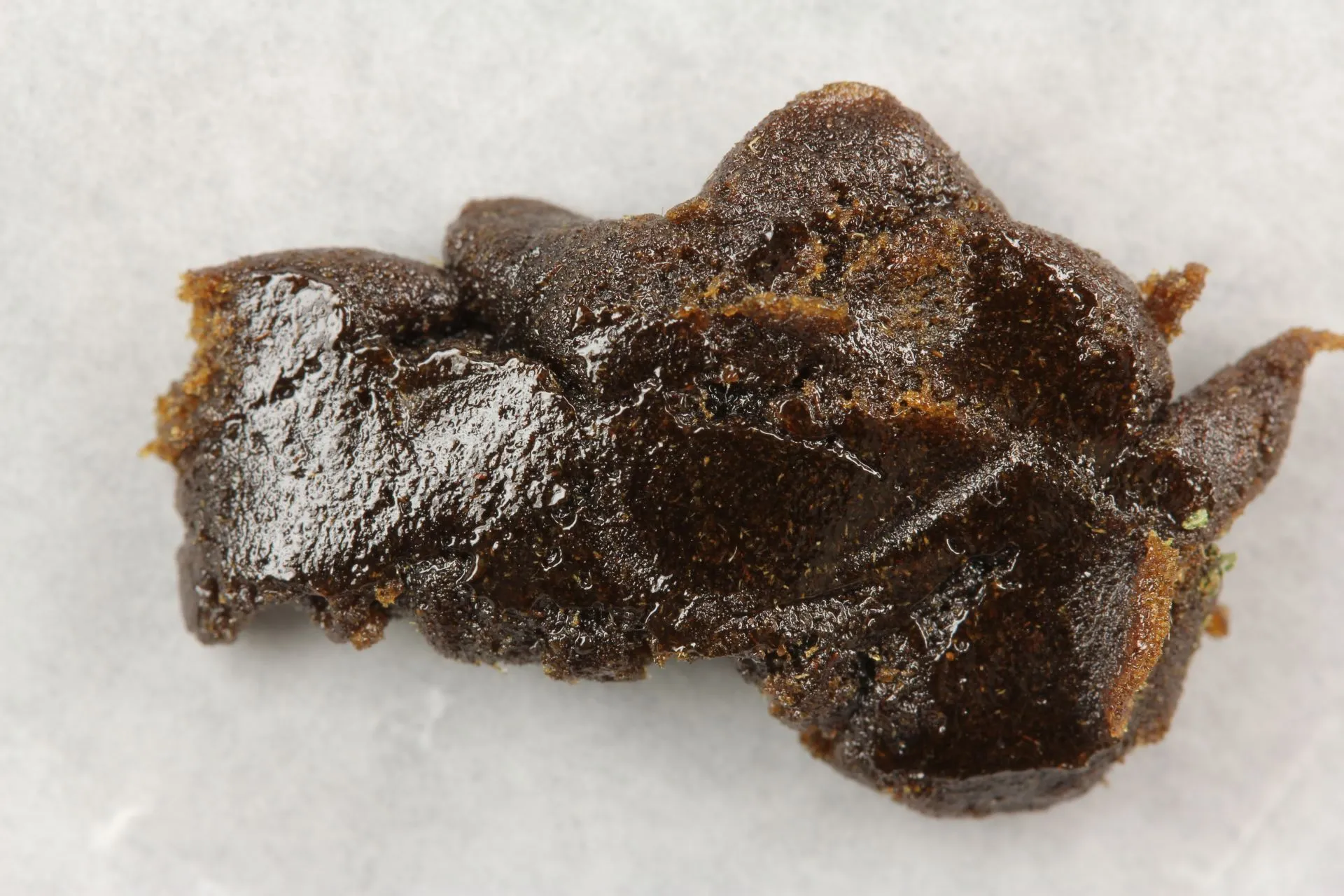
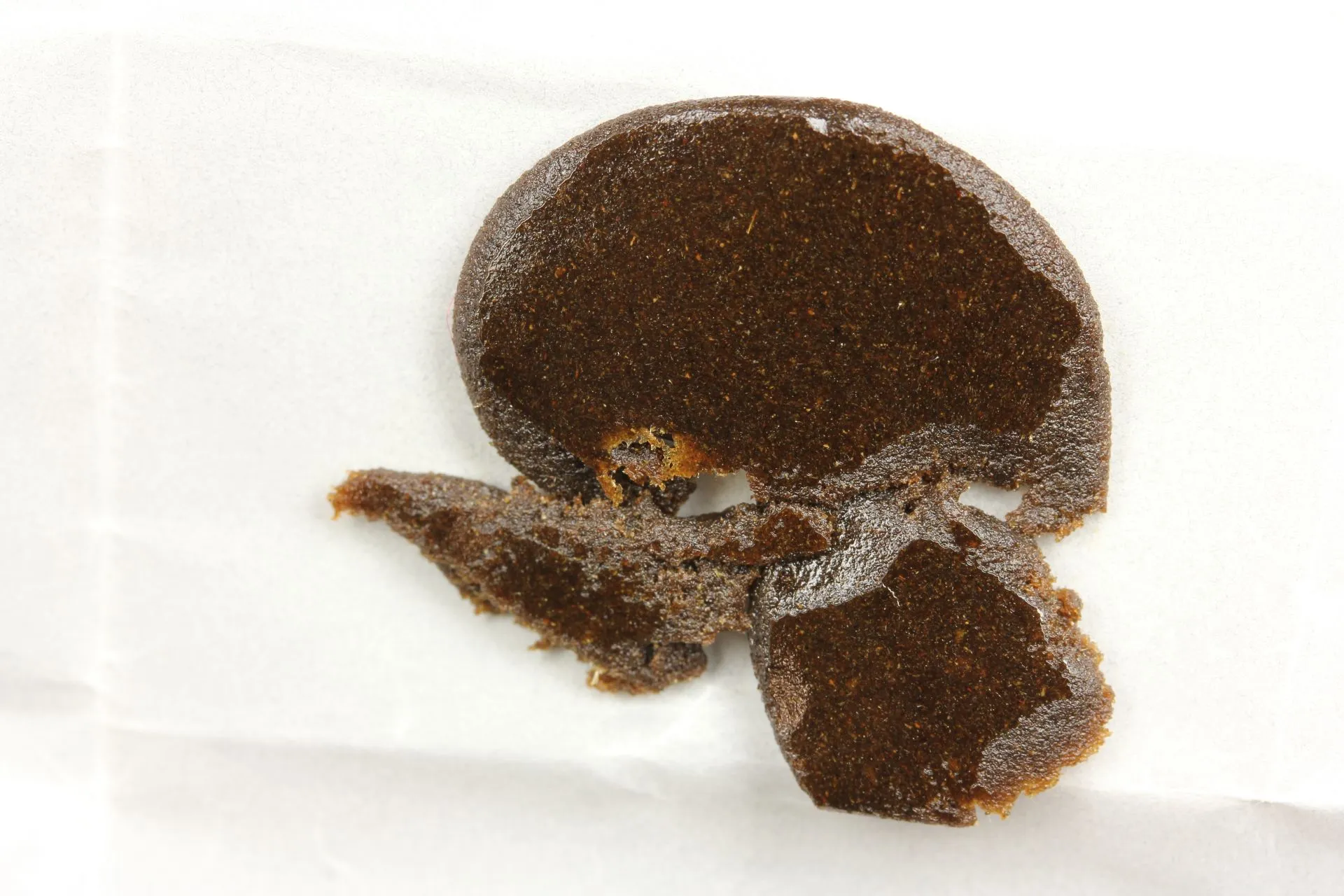
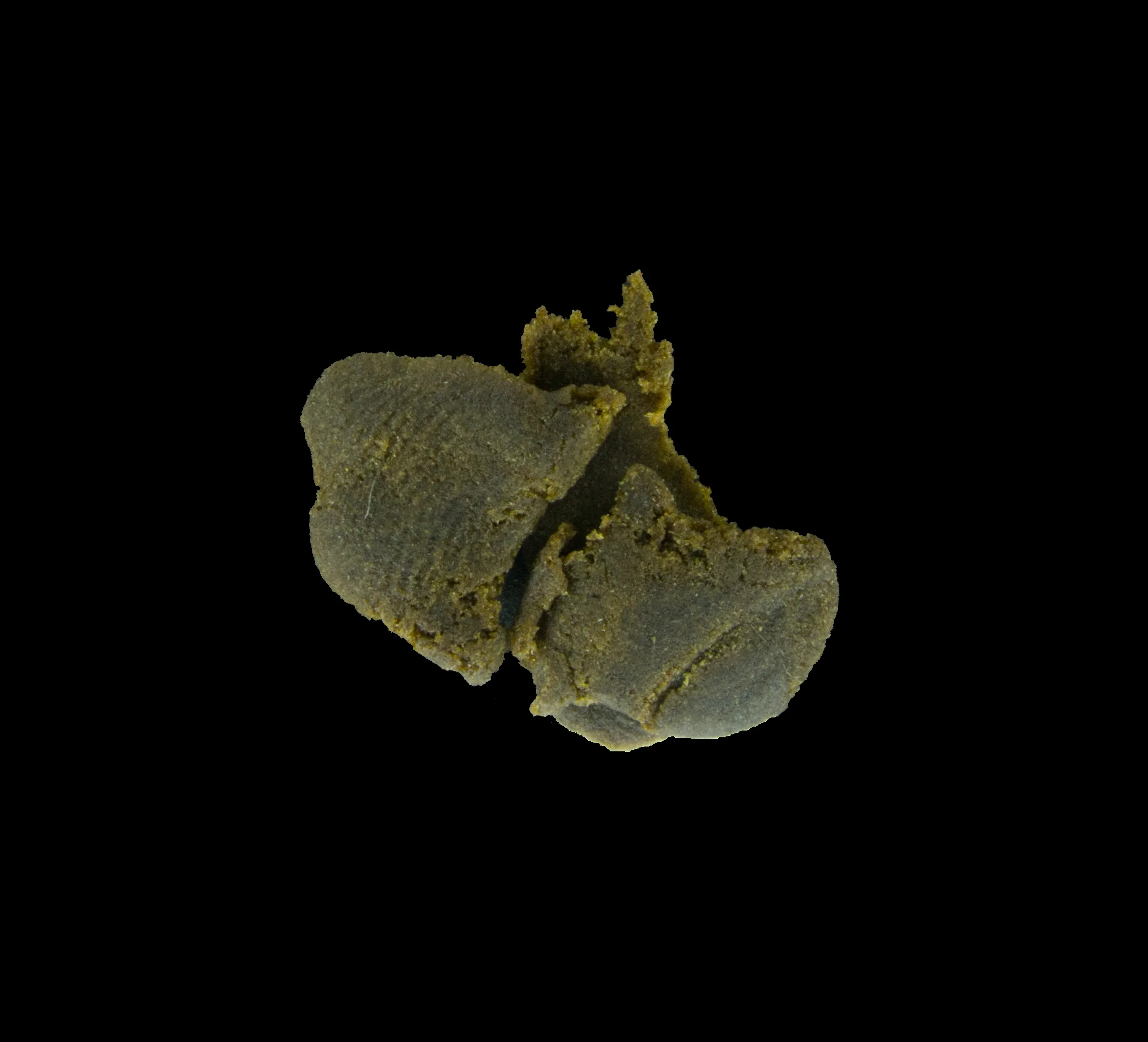
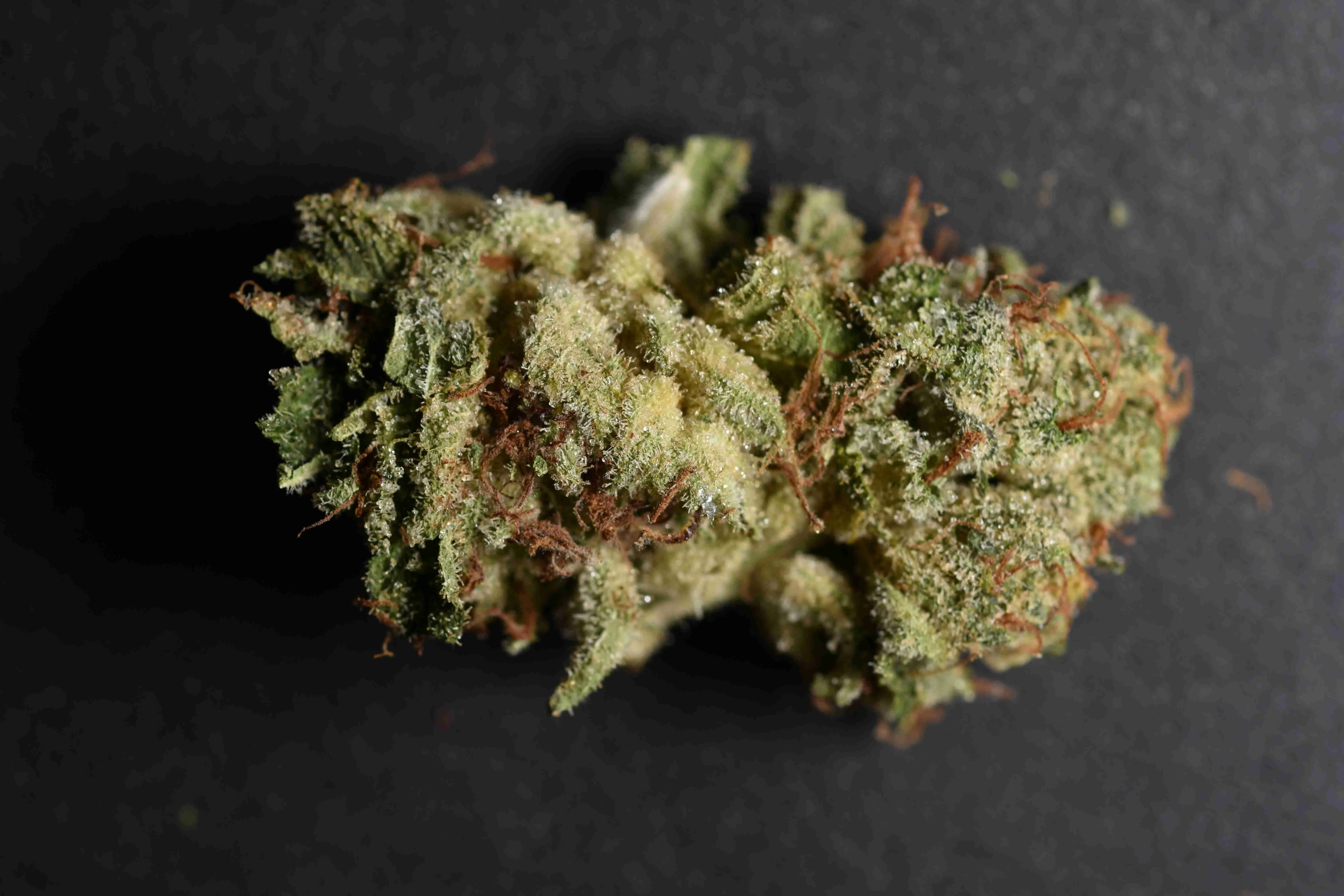
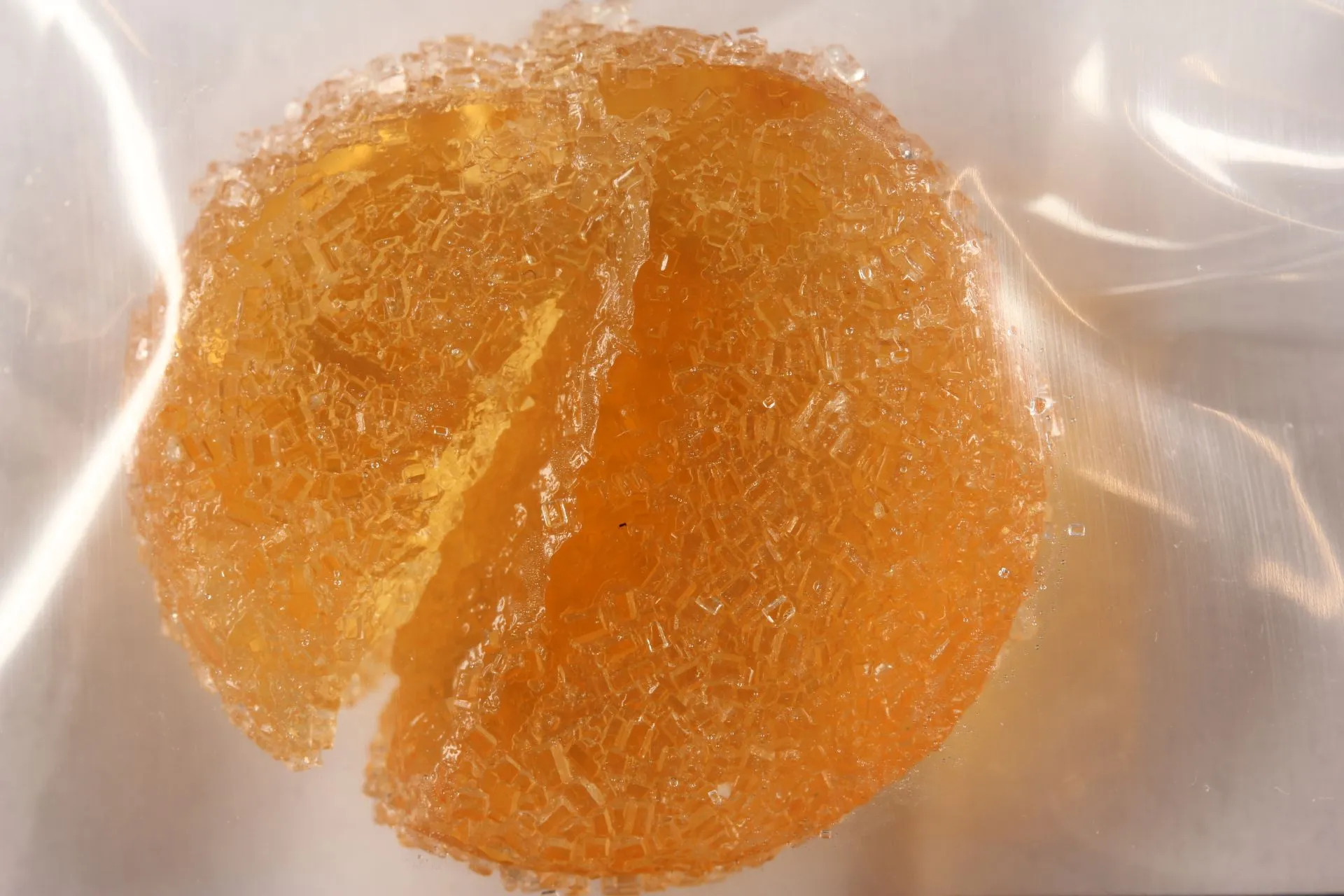
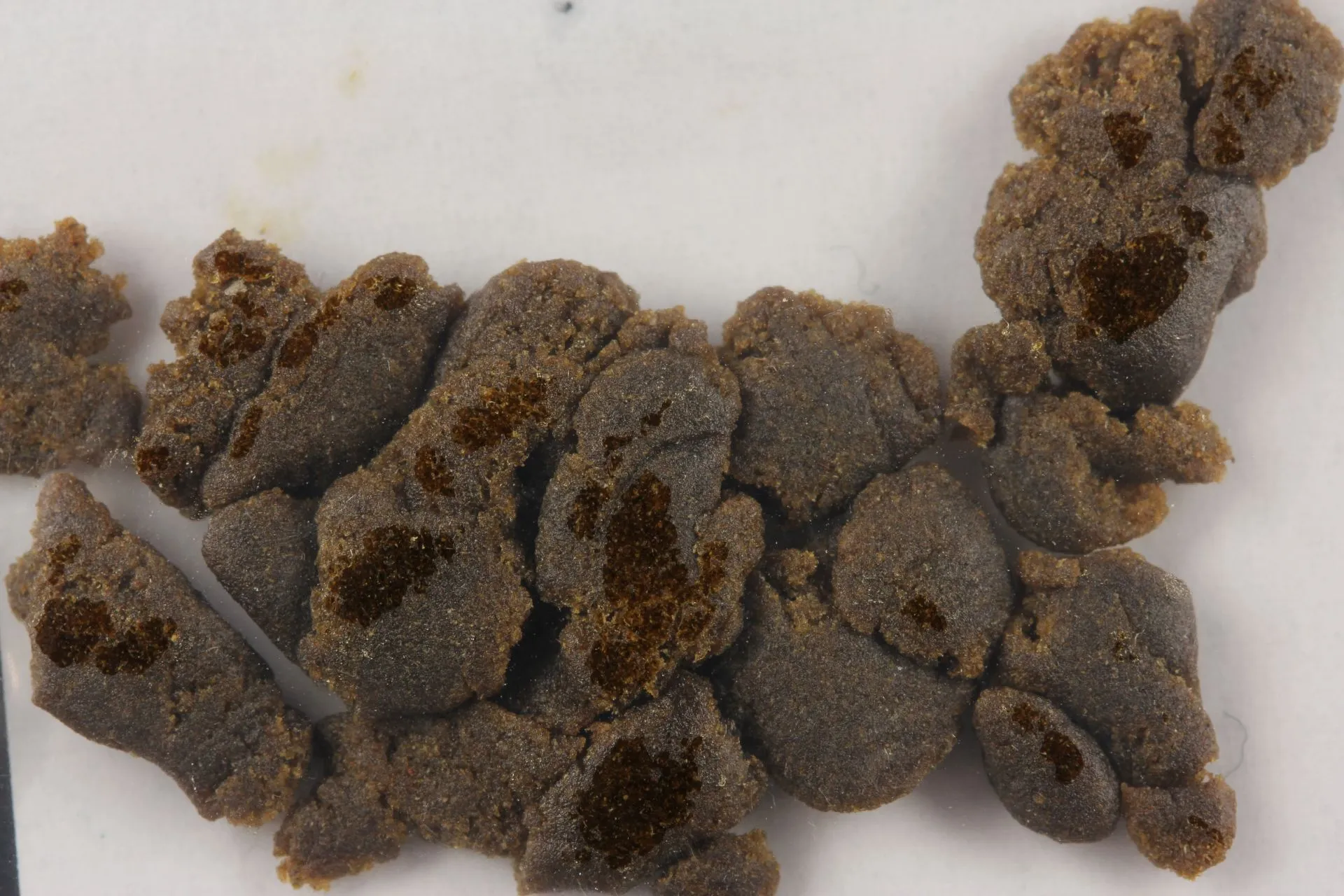
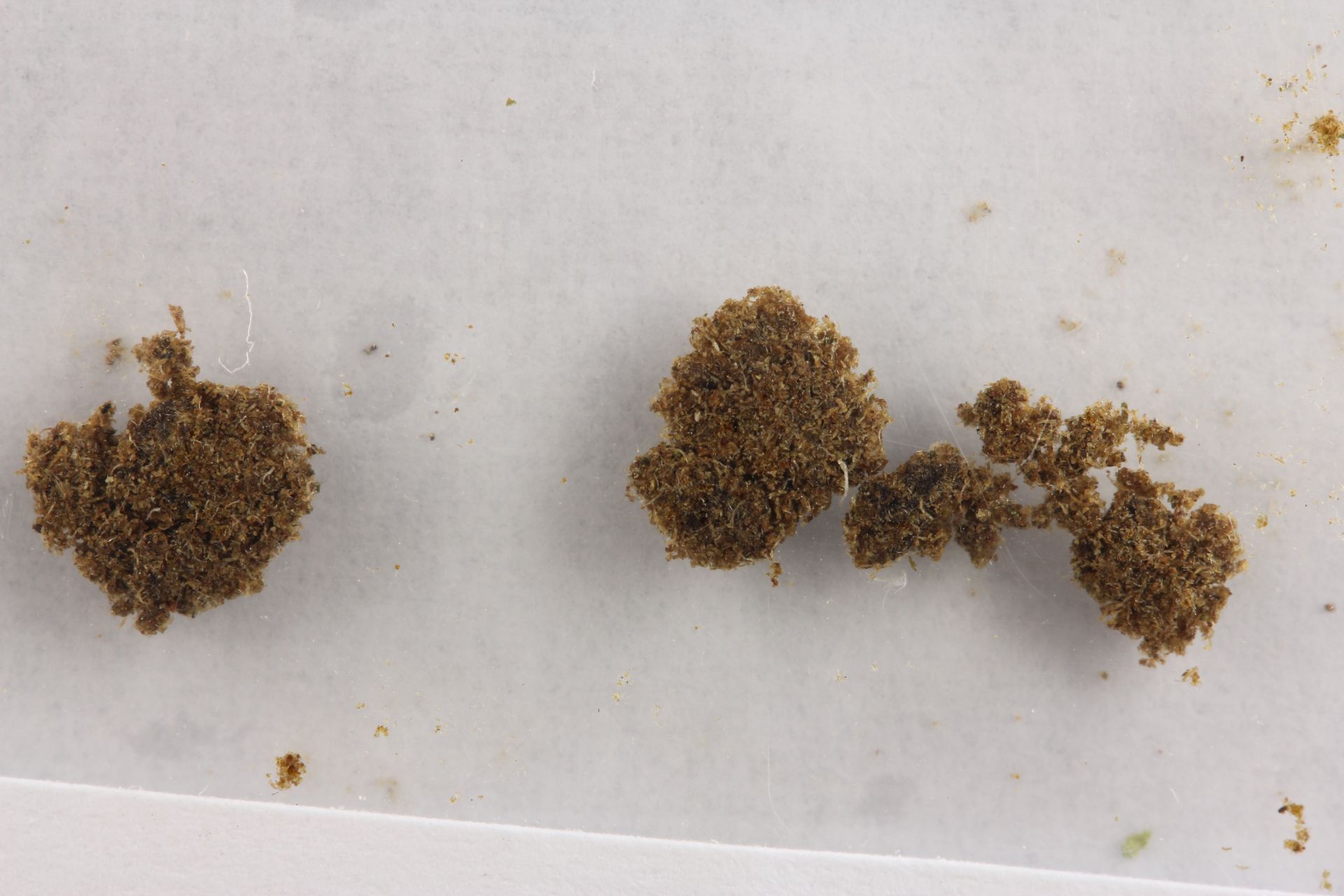
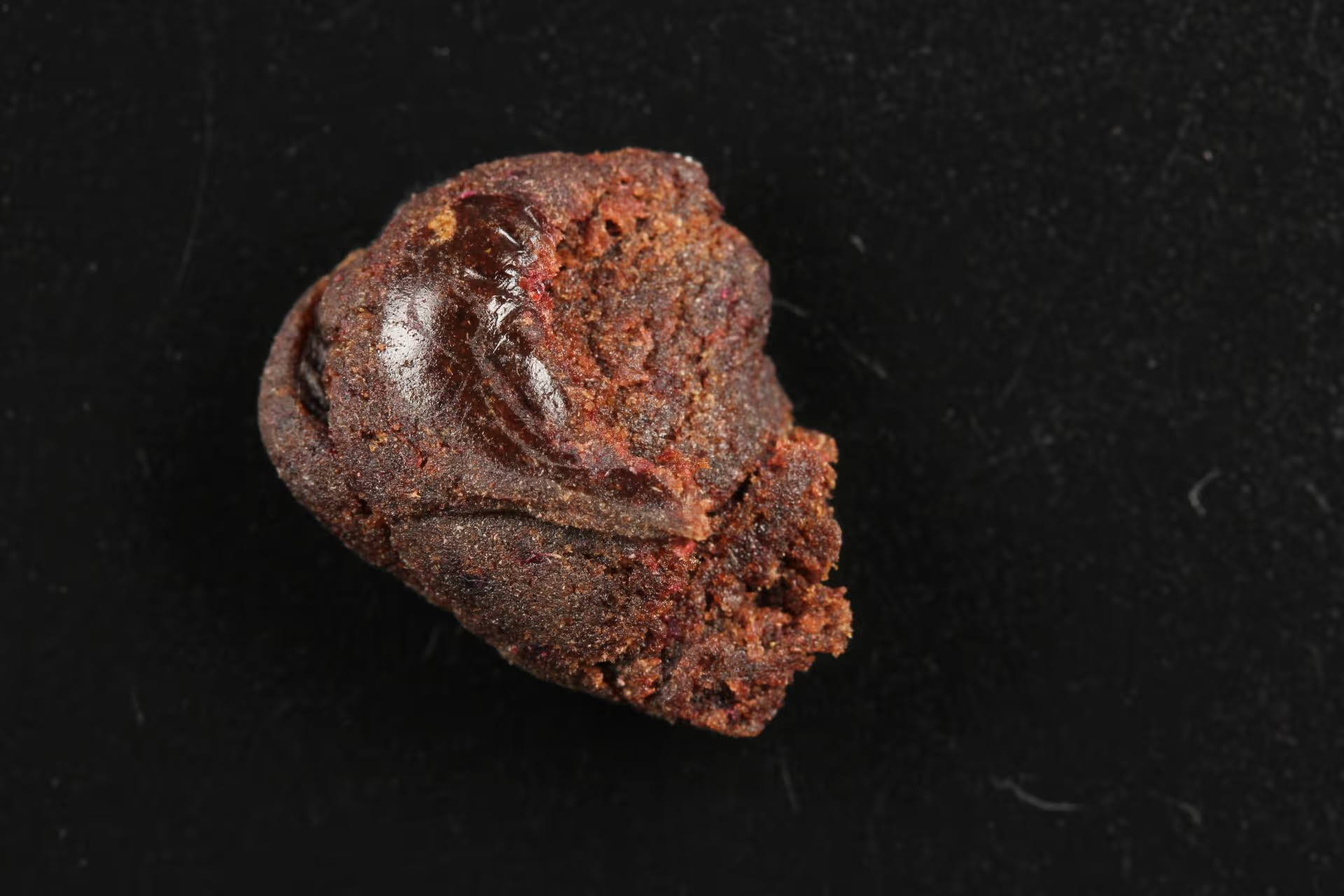
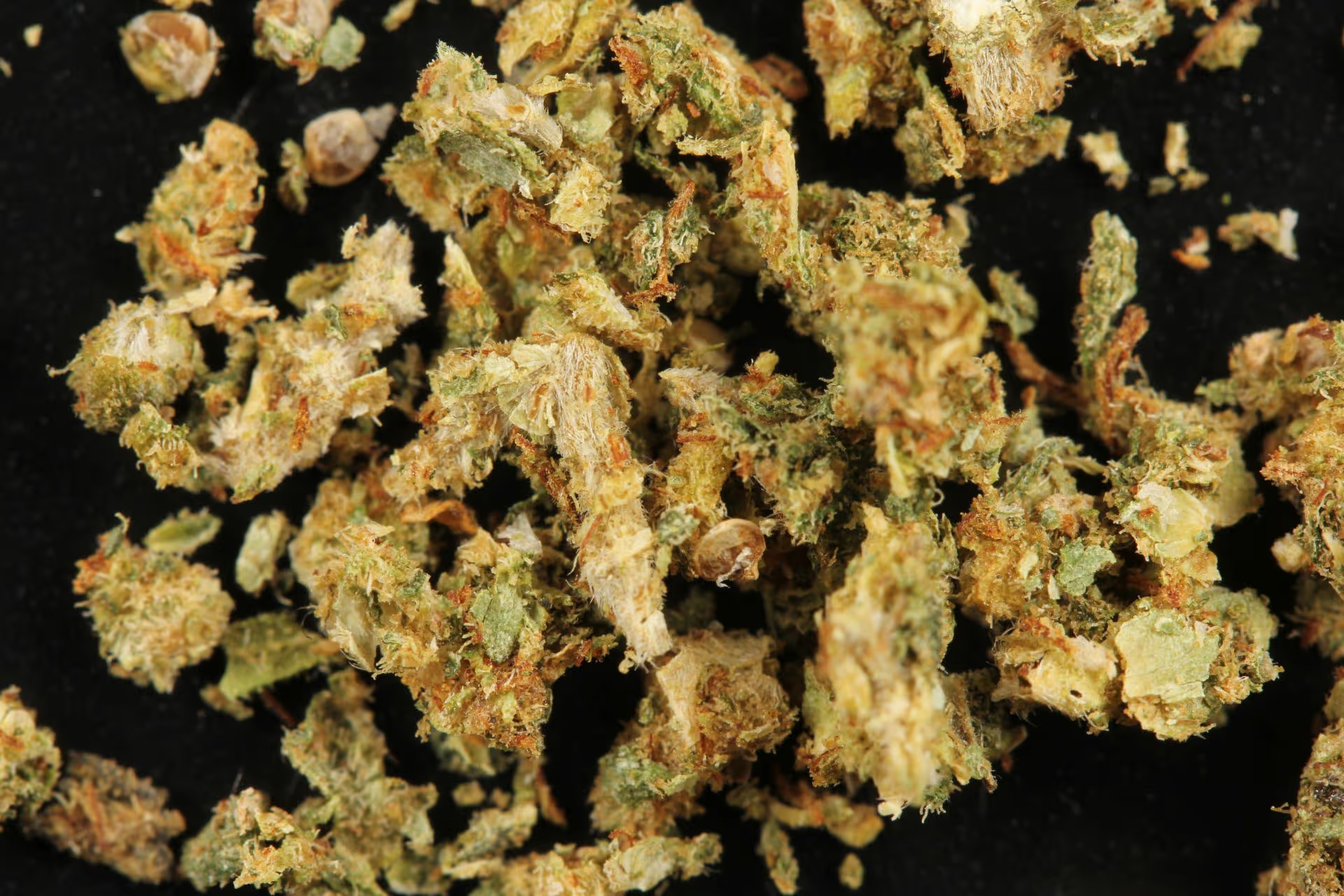
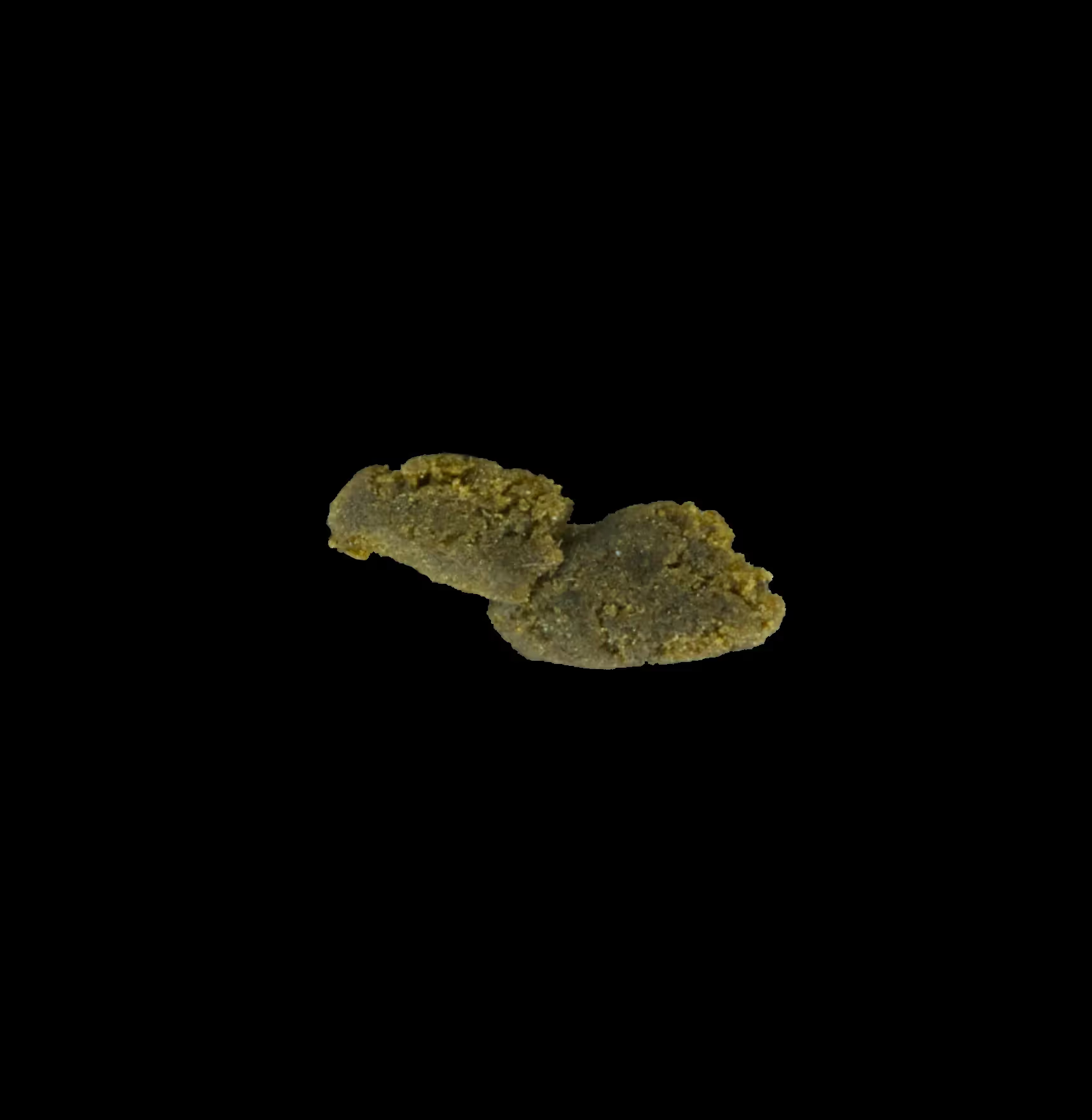
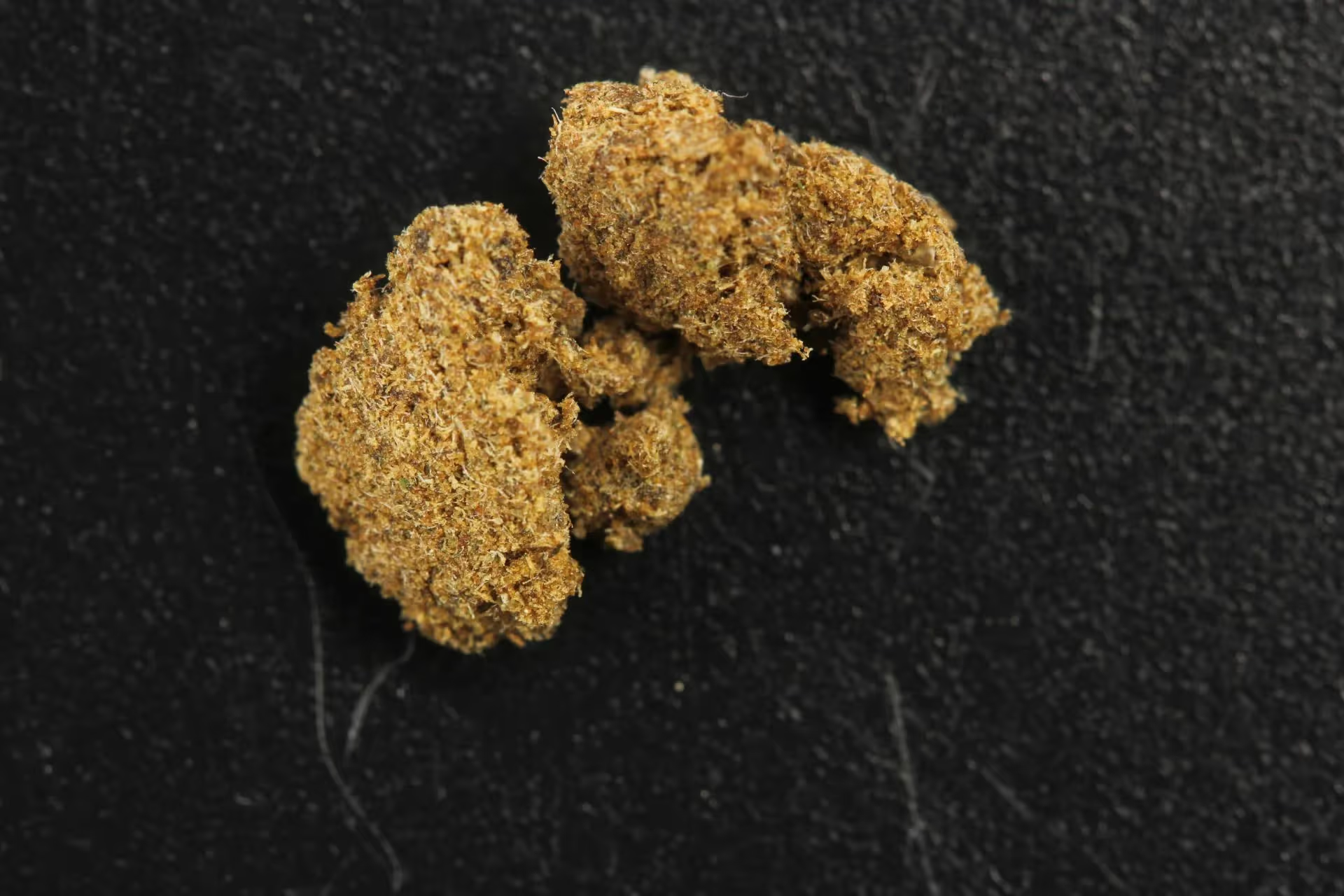
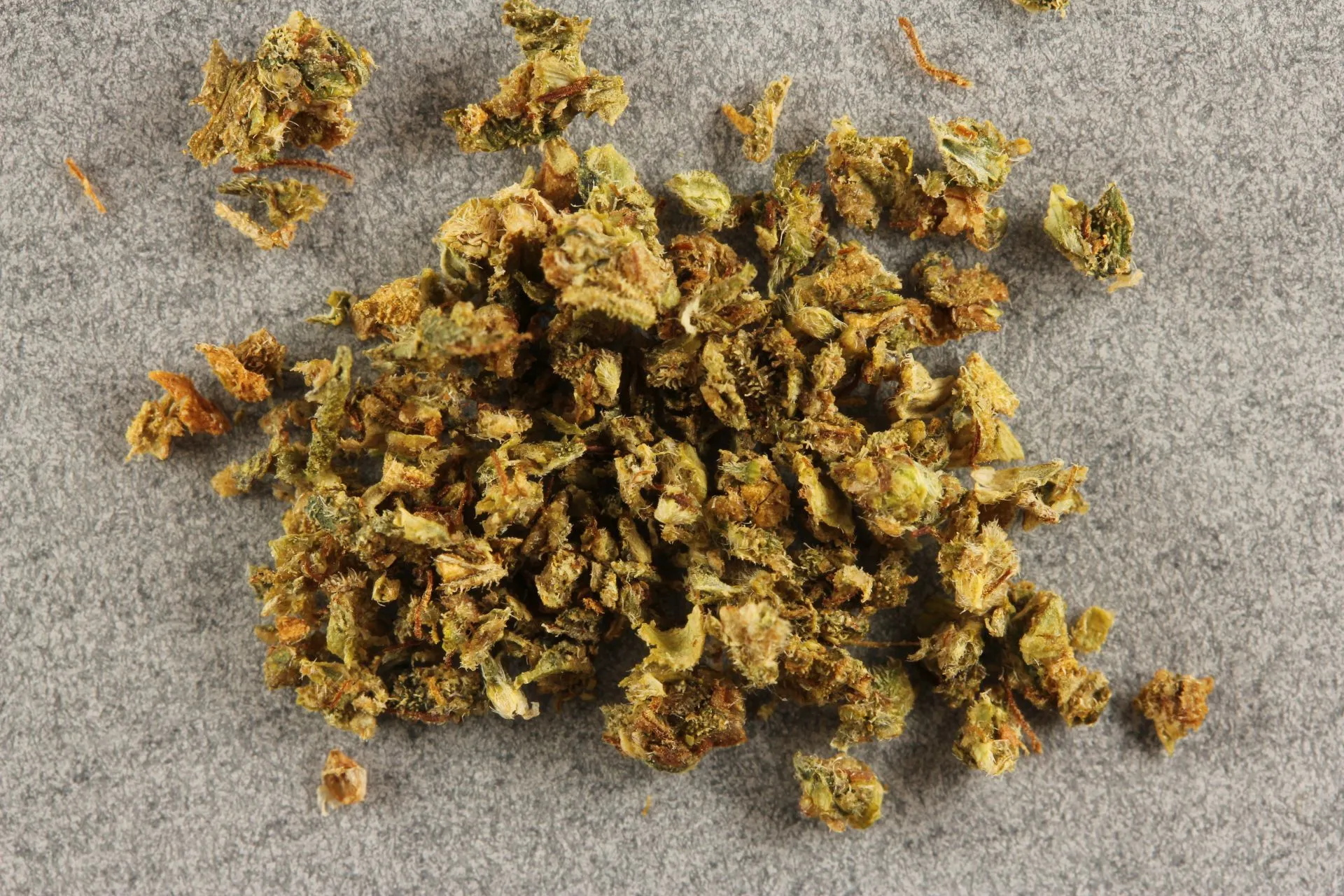
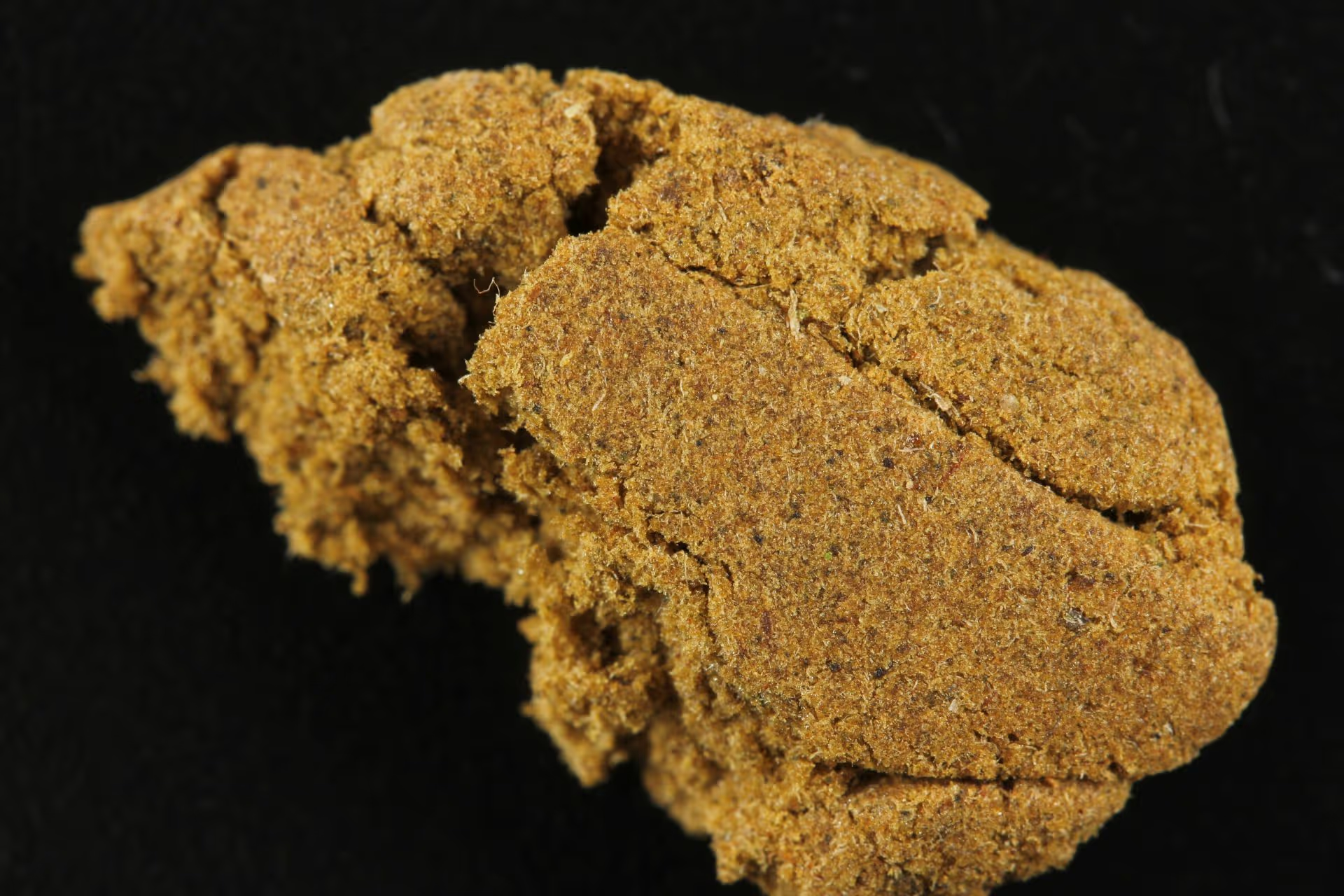
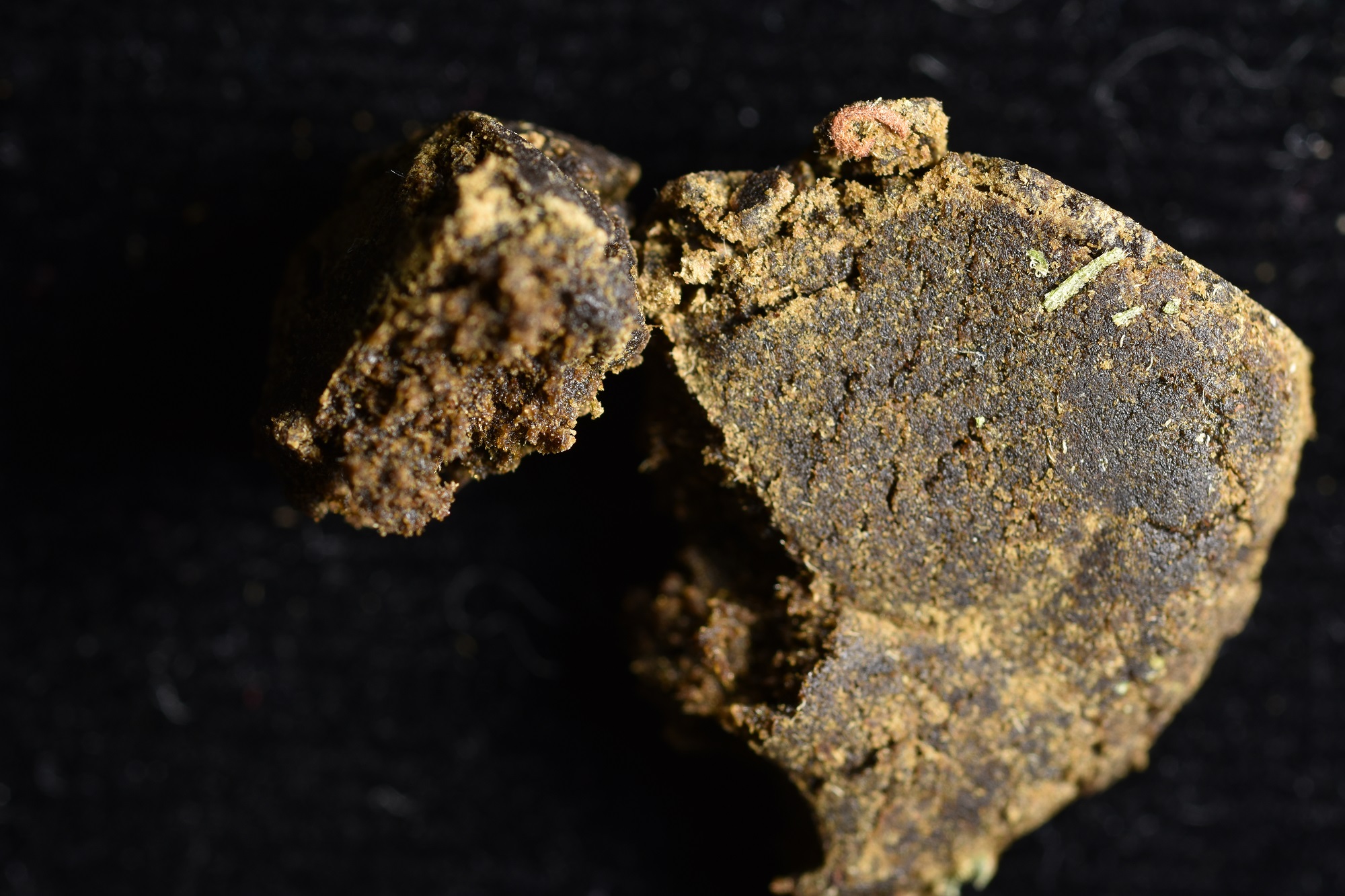
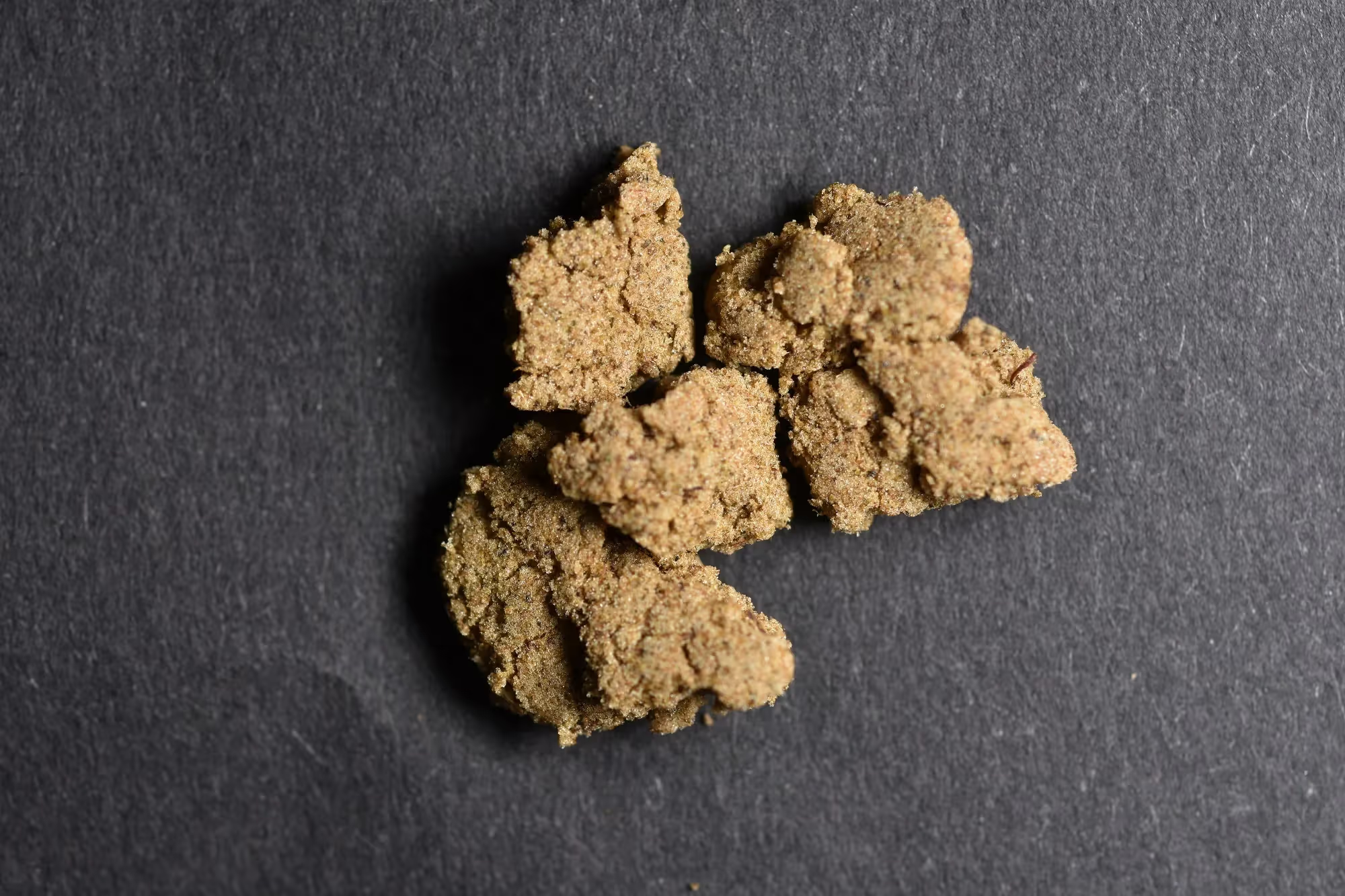
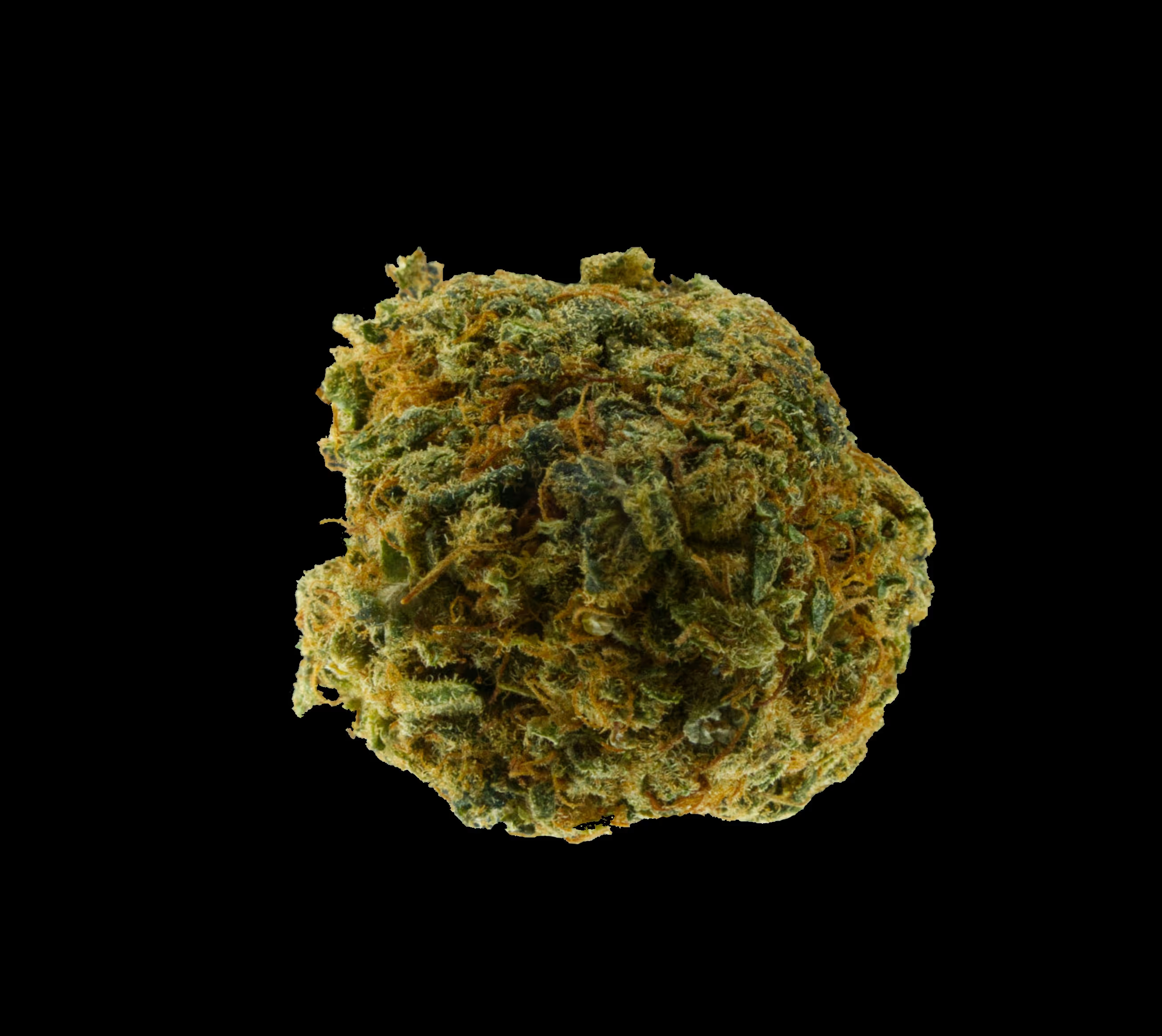
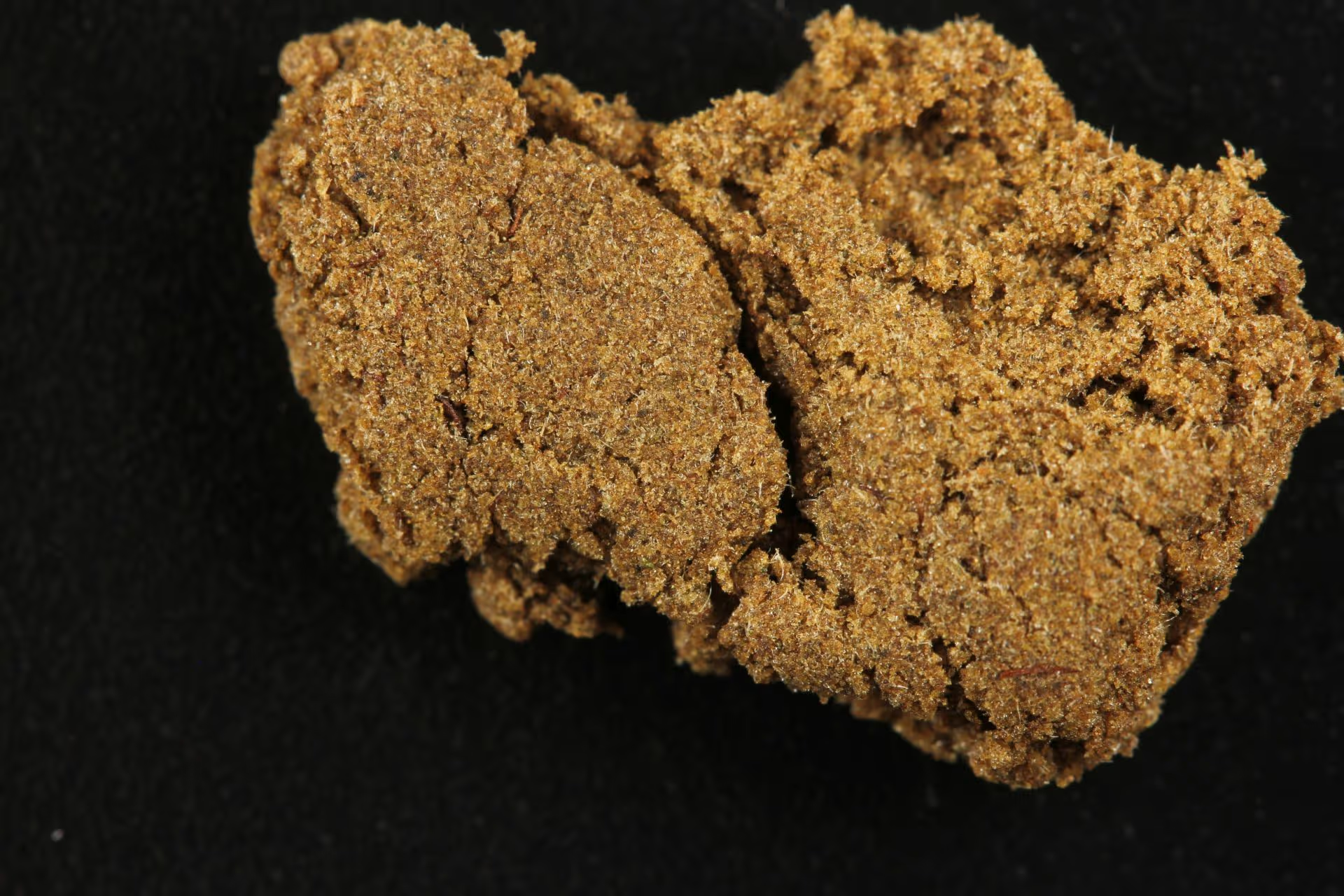
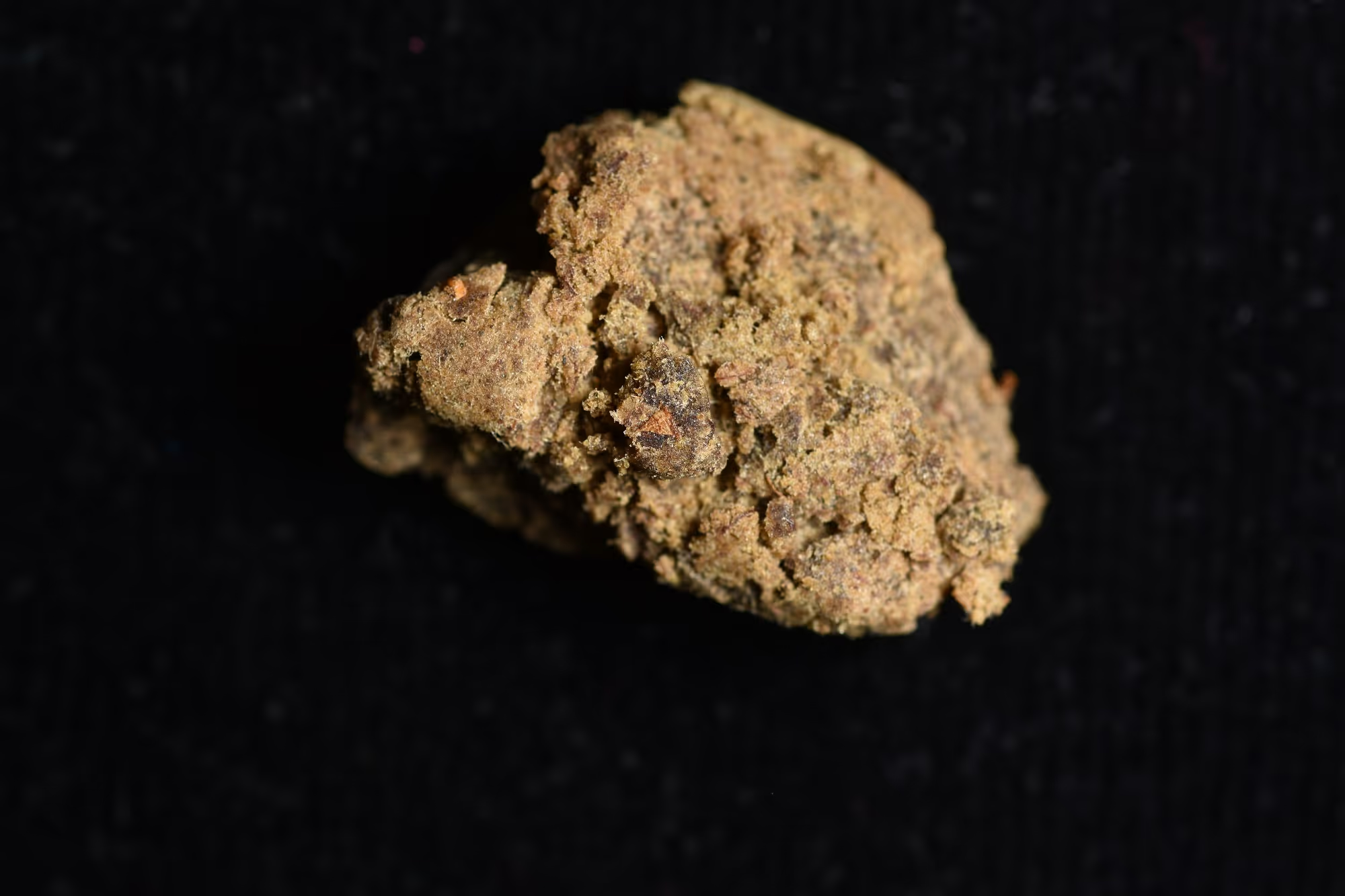
This sample, declared as THC hashish, contained the cannabinoids delta-8-THC (∆8-THC) and ADB-PINACA. These were most likely sprayed onto or incorporated into the hashish at a later stage.
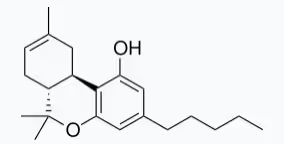
Delta 8-THC (∆8-THC) is a psychoactive cannabinoid that produces a similar intoxicating effect to delta 9-THC (the "classic" THC), but is less potent. It only occurs naturally in very small quantities, if at all, in the cannabis plant. It is highly likely that delta-8-THC is mainly a by-product of the chemical conversion of CBD (cannabidiol) to delta-9-THC. It cannot be ruled out that the by-products formed during the conversion process have a toxic effect. Since synthesis by-products are often not completely separated by the manufacturers and are thus consumed together with delta-9-THC and delta-8-THC on cannabis products, an unknown health risk is assumed during consumption. No studies are available on the short-term and long-term side effects of delta-8-THC. You can find more information about Delta-8-THC here.
This sample also contains the synthetic cannabinoid ADB-PINACA.
This substance has been little researched, which is why little information is available. In general, synthetic cannabinoids are largely unresearched substances. More detailed information on effects, risks, toxicity, interactions with other substances or long-term effects is therefore scarce. If consumed unintentionally, synthetic cannabinoids can quickly lead to risky overdoses and/or severe, often health-threatening side effects. This effect is exacerbated by the sometimes very uneven distribution of synthetic cannabinoids on the flowers.
In contrast to naturally occurring THC, acute and severe poisoning is common with synthetic cannabinoids. The consumption of synthetic cannabinoids can lead to rapid fainting, tachycardia, high blood pressure, seizures, nausea with vomiting, loss of mental capacity, confusion, delusions, acute psychosis, strong cravings, aggressive and violent behavior and even a heart attack. The high potency of synthetic cannabinoids increases the risk of overdose. We advise against consumption!
It often happens that cannabis products are sold as THC but actually contain synthetic cannabinoids such as Delta 8-THC, HHC, THCP, etc. It is essential to have cannabis products analyzed before consumption and to test a small amount first when purchasing!
Alert level
Information
Caution
Alerts
Information
Caution
Alerts
Information
Caution
Alerts
Safer Use
Testing
With newly purchased, unfamiliar cannabis products, it is advisable to test only a small amount the first time (take two or three puffs) and then wait about 15 minutes for the effect to develop. If the effect is unusual, do not continue to use the product!
Mixed use
Avoid mixed use. Mixed use with other substances (including alcohol or medications) is very risky because of the unpredictable and still unknown interactions. Avoid mixed use with MAO inhibitors, opioids or tranquilizers.
Mix well
Mix your cannabis products well before consumption (ideally use a grinder) to avoid a high concentration of possible synthetic cannabinoids on individual flower parts. Particular care should be taken with residual material that has fallen off the outer parts of the flower, as this is often likely to contain a particularly high concentration of synthetic cannabinoids.
Disclaimer
If you are in possession of a substance that does not appear on this page, this in no way means that it contains the expected ingredient or that it should be safe. The warnings we publish only refer to the substances listed in our Drug Checking offers, these substances pose a high risk of consumption and should not be consumed. A substance may have the same visual appearance (shape, size, colour, etc.) and yet have different ingredients or a different composition. There is no drug use without risk! Only a complete renunciation of drugs is risk-free! If you still decide to use drugs, you should at least follow the safer use rules.


